


Revamping the Steam Deck: A Look Ahead at Its Potential Successor
When the original Steam Deck was first announced back in mid-2021, it was a revelation. Valve proved that handheld gaming PCs could be cost-effective and still powerful enough to run demanding software at playable framerates. The first-generation Deck would ship in February 2022, with the Steam Deck OLED model later innovating with a larger, prettier screen, improved refresh rate, and a superior battery in November 2023.
The Steam Deck impressed at the time with its respectable semi-custom AMD APU, featuring its four-core (eight threads) CPU, clocked between 2.4 and 3.5 GHz, and 8 RDNA 2 Compute Units clocked at 1.6 GHz. This robust hardware meant that pushing the best PC games to 30 FPS (and above in some cases) at its native 1280 x 720p resolution was a possibility.


However, competition has shown that it’s time for Valve to revisit its design strategy to remain competitive in the ever-evolving gaming landscape. The Steam Deck has become somewhat underpowered when compared to other handhelds on the market, which boast Full HD (1080p) displays and superior hardware such as AMD Ryzen Z1/Z2 or Intel Arc G3 APUs. So, what should Valve focus on for the Steam Deck 2 to ensure it can keep pace, if and when it launches?
1. A 120Hz Full HD (1080p) OLED Display as Standard
All of the major Steam Deck rivals use a high refresh rate 1080p display, or better, so it’s time for Valve to catch up
(Image credit: Microsoft)
The original Steam Deck models featured a native resolution of 1280 x 720p with refresh rates of either 60Hz or 90Hz. In 2023, this was starting to look dated, especially as competitors like the Asus ROG Ally and Lenovo Legion Go entered the market with vibrant 1080p panels boasting refresh rates up to 144Hz. To stay competitive, the Steam Deck 2 must feature a minimum of a 120Hz 1080p OLED display.
2. A Semi-Custom AMD Zen 4 and RDNA 3.5 APU (or Better)
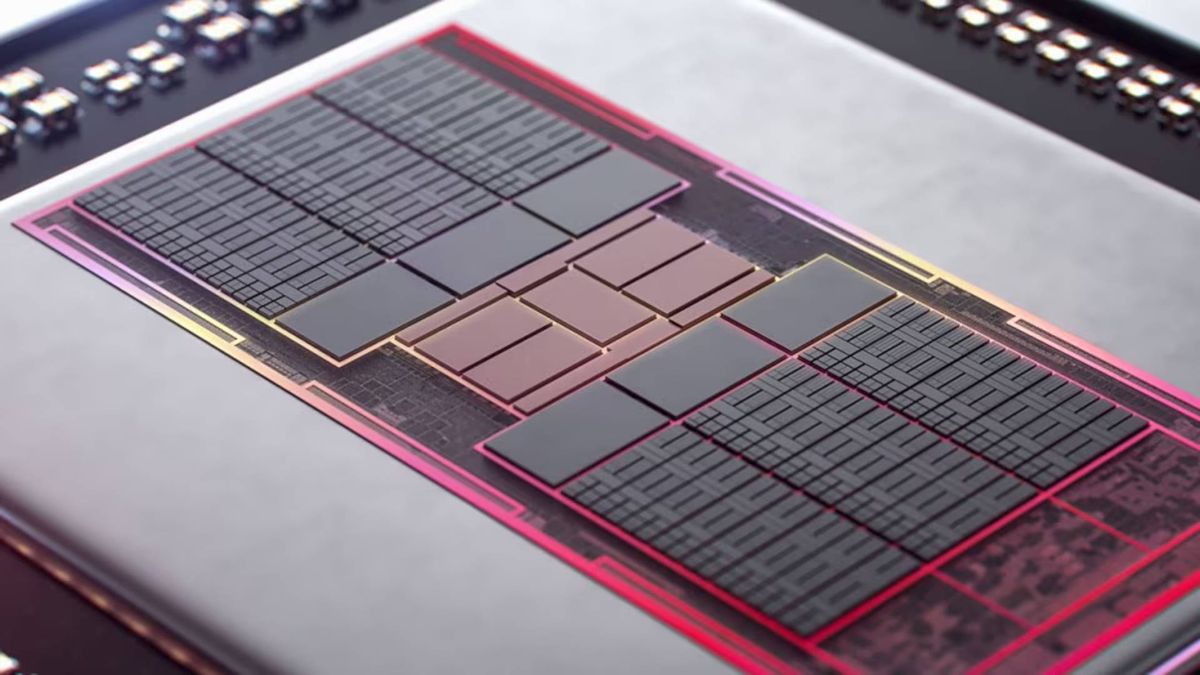
It’s likely that Valve would go the semi-custom route again, and there’s plenty of life left in RDNA 3.5 yet.
(Image credit: AMD)
Valve has always opted for a differentiated hardware approach. The semi-custom APU used in the first Steam Deck should be the standard for the successor. The recently released Steam Machine features a semi-custom AMD chip that could serve as a beneficial template for a Steam Deck 2, potentially including a six-core Zen 4 CPU and a GPU backed by RDNA 3 technology.
3. A Sub-$1,000 / £1,000 Price Tag
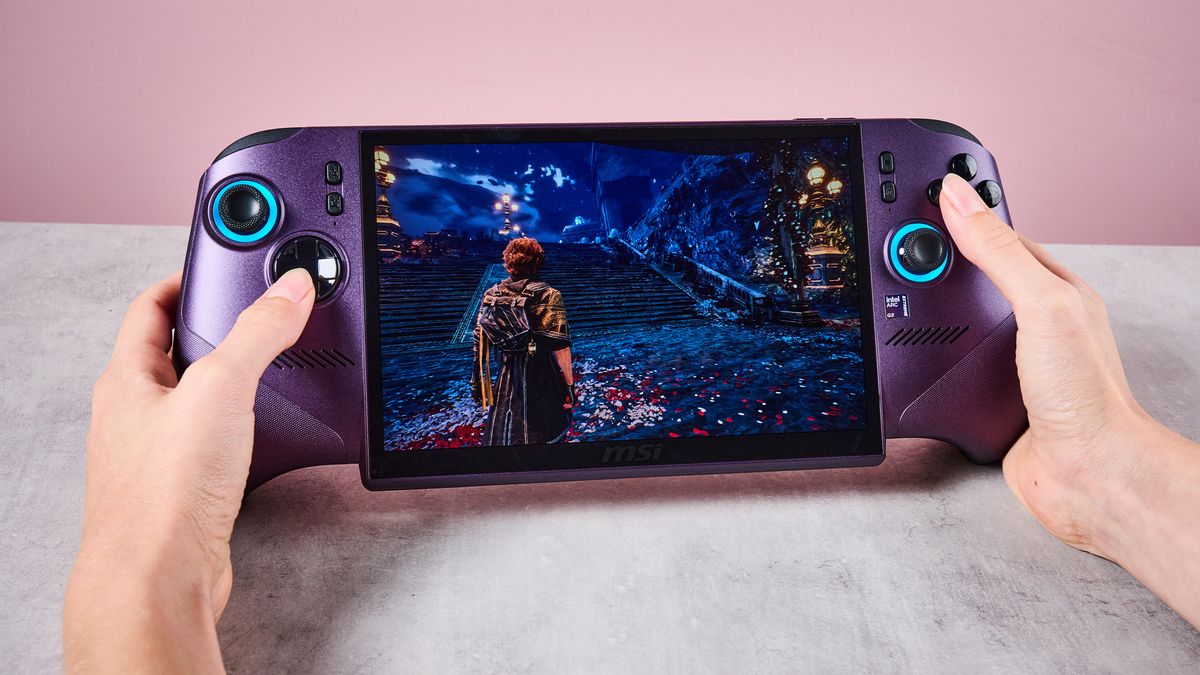
The MSI Claw 8 EX AI+ is a spectacular machine, but its eye-watering MSRP makes it completely inaccessible for most. Valve should not repeat this mistake.
(Image credit: Future)
Upon its launch, the Steam Deck was sold at a loss—a painful but critical move by Valve to penetrate the gaming market. Affordability and competitive performance were prioritized to appeal to gamers. However, rising hardware costs due to global shortages have made the current Deck less accessible.
For the Steam Deck 2, Valve should aim for a price tag of less than $1,000 / £1,000, particularly for its base and mid-range configurations. Rivals in the handheld market are pushing their prices up, making a competitive pricing strategy crucial for success.
4. TMR Sticks and Mechanical Buttons
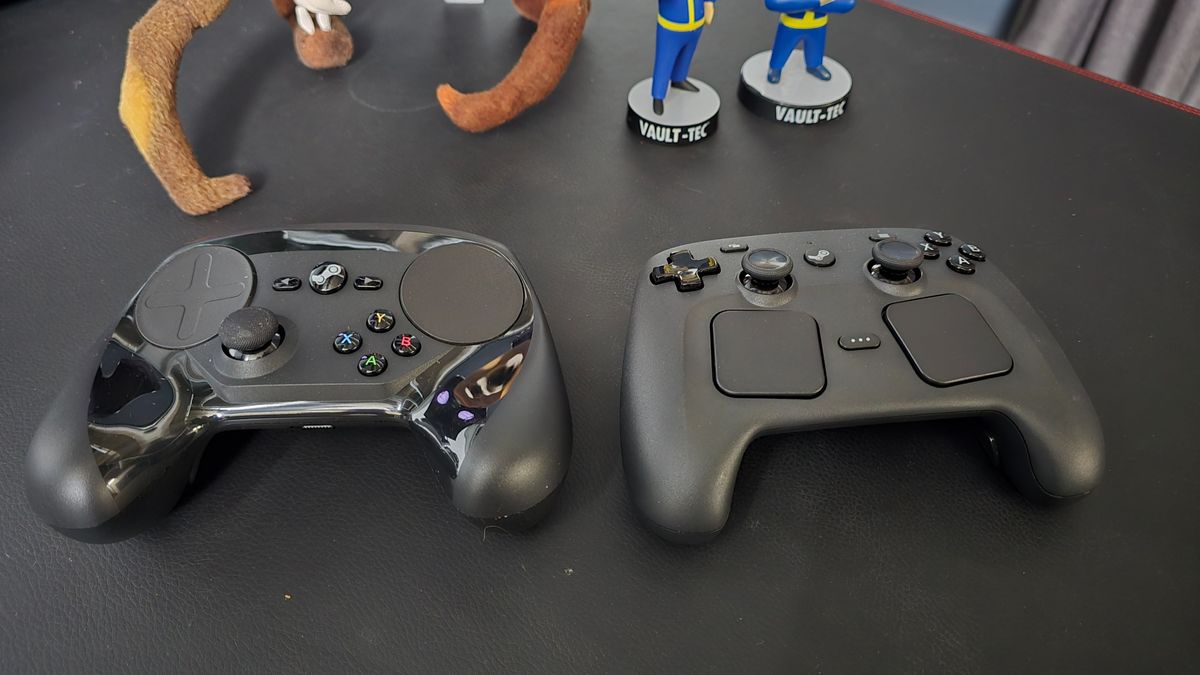
Valve has come a long way with its controllers over the years, but there’s still work to be done.
(Image credit: Future)
While both versions of the Steam Deck are commendable in comfort, their buttons and sticks need improvement. Many users have reported that the standardized potentiometers can cause wear and tear, leading to stick drift—a common concern in the gaming community.
Valve should consider adopting TMR (Tunneling Magnetoresistance) sticks, which offer higher sensitivity and longevity compared to traditional methods. Coupling these with mechanical buttons would not only enhance input precision but also extend the overall lifespan of the device.
5. A Bigger and More Efficient Battery for Longer Sessions
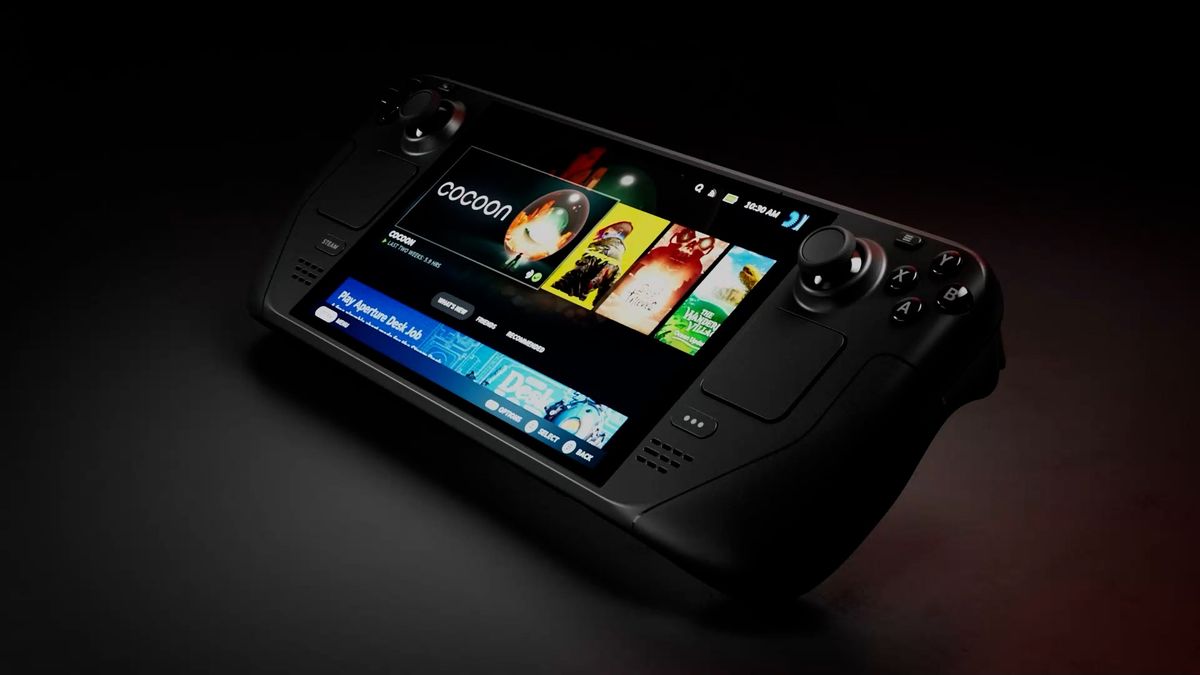
The Steam Deck OLED brought a 25% battery increase. It’s time for Valve to consider another substantial bump to stay competitive.
(Image credit: Valve / Steam)
Any successful portable device is judged not only by its processing power but also by its battery life. The original Steam Deck featured a 40 Wh battery, whereas the Steam Deck OLED increased this to 50 Wh, allowing for varying playtimes based on game intensity. However, competitors like the Asus ROG Ally X are already offering larger batteries, enabling longer sessions.
To close this gap, the Steam Deck 2 should aim for a larger battery that can sustain longer playtimes, ideally offering stability during demanding gaming sessions. If Valve can enhance performance, improve ergonomics, and ensure affordability, the Steam Deck 2 could dominate the market.
Follow TechRadar on Google News and add us as a preferred source to get our expert news, reviews, and opinion in your feeds.

For further insights into this topic and more, you can explore the original article, which provides in-depth analysis on what the Steam Deck 2 needs to stand strong against its rivals. Here.
Image Credit: www.techradar.com


