


Apple’s Unveiling of Siri AI for Apple Watch: Features and Compatibility Challenges
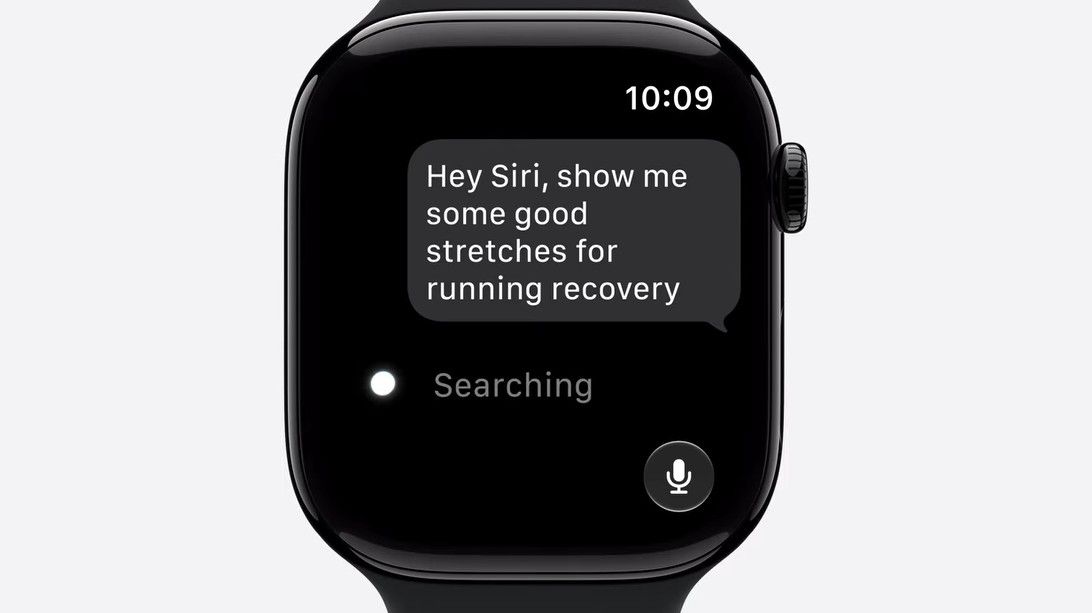
Last week, Apple unveiled its latest advancements in artificial intelligence at the annual WWDC event, with a significant focus on Siri AI. Though much of the discussion centered around its application across iPhones, iPads, and Macs, the Apple Watch, which Apple describes as “the most convenient way to interact with Siri,” received less attention. This overview provides insight into the new functionalities and ongoing limitations for Apple Watch users.
The quote from Apple’s David Clark, senior director of watchOS software engineering, underscores the importance of the Apple Watch as a platform for Siri. During discussions with Clark, as well as Cait Dooley, Apple Watch and Health Product Marketing Manager, it became clear that the aim of watchOS 27 is to enhance user interaction with Siri as a “true co-partner to Apple Intelligence.” As Clark articulated, the convenience of having a microphone on your wrist is pivotal for seamless interactions.


Clark emphasized the goal of creating a consistent experience when interacting with Siri, whether on the Apple Watch or another device. He mentioned, “We really wanted to make sure the Siri experience is a singular and consistent experience.” This means that users will have access to personalized data, regardless of the device being used.
For instance, during a shopping trip where hands are full, a user could ask Siri for specific ingredients while wearing the Apple Watch and then later retrieve that list in a more user-friendly format on their phone. Clark described this collaboration between devices as a “superpower,” made possible by leveraging personal data for a more integrated experience.
The Challenge of Compatibility with watchOS 27
Despite its advancements, the launch of watchOS 27 revealed a notable concern: several older models—including the Apple Watch Series 6, 7, 8, the SE 2, and even the original Apple Watch Ultra—will not support the new Siri AI features. Instead, these devices will only receive essential security updates.
This decision has raised questions among users who rely on older models for their Apple Watch experience. In addressing these concerns, Dooley explained, “With every software release across every single one of our platforms, we always want to ensure that you have the best experience, so we make power and performance a priority.” The advanced features in watchOS, including the new capabilities of Siri AI, are designed to work optimally with the newer Apple Watch models, specifically Series 9 and later, Ultra 2 and later, and SE 3.
While users of older Apple Watch models can still pair them with iPhones running the latest software, they will not have access to the enhanced functionalities of Siri AI on their watches. This limitation likely stems from the technical requirements of Siri AI, which may necessitate the processing power of the latest S9 and S10 chips.
In conclusion, while Apple Watch users will enjoy innovative features in watchOS 27, the exclusion of older models from these advancements highlights the evolving landscape of wearable technology and the importance of keeping hardware aligned with software capabilities. For those considering an upgrade, the new Siri AI features could enhance your interaction with the Apple ecosystem, bridging convenience and technology in new ways.
(Image credit: Apple)
For more information on these developments, you can read the full article Here.
Image Credit: www.techradar.com


