


Why you can trust TechRadar
We spend hours testing every product or service we review, so you can be sure you’re buying the best. Find out more about how we test.
Dell XPS 13 (2026): Two-minute review
The new Dell XPS 13 (2026) marks a notable shift in Dell’s approach, finally bringing the premium-quality XPS line into a more accessible price range. This move echoes Apple’s recent launch of the MacBook Neo, which similarly disrupted the market by offering a wallet-friendly alternative. As competitors adapt to this landscape, Dell’s latest offering aims to fill a crucial gap.
Before diving into the specifics of the XPS 13, it’s important to understand its background—the saga of the XPS brand. After being discontinued last year, it made a surprising comeback at CES 2026. This decision likely stemmed from the realization that discarding such an iconic brand could backfire.


While the Dell XPS 14 and XPS 16 persist in their high-end, premium price tiers, the XPS 13 introduces a different concept altogether.
(Image credit: Future)
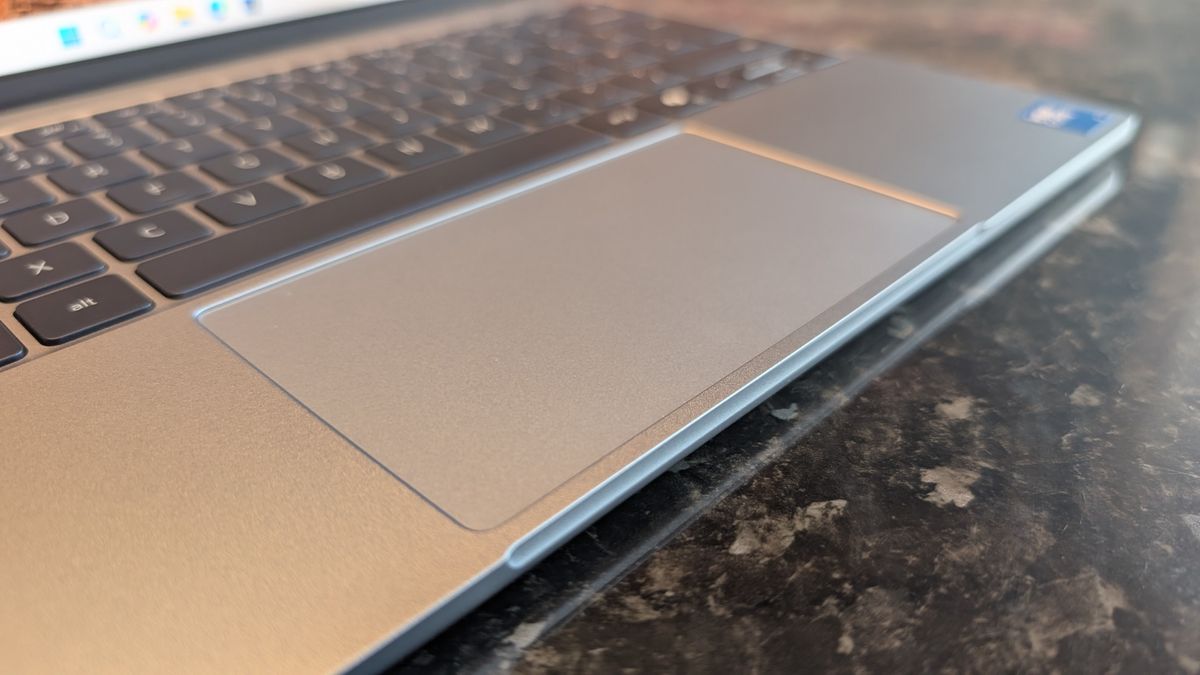
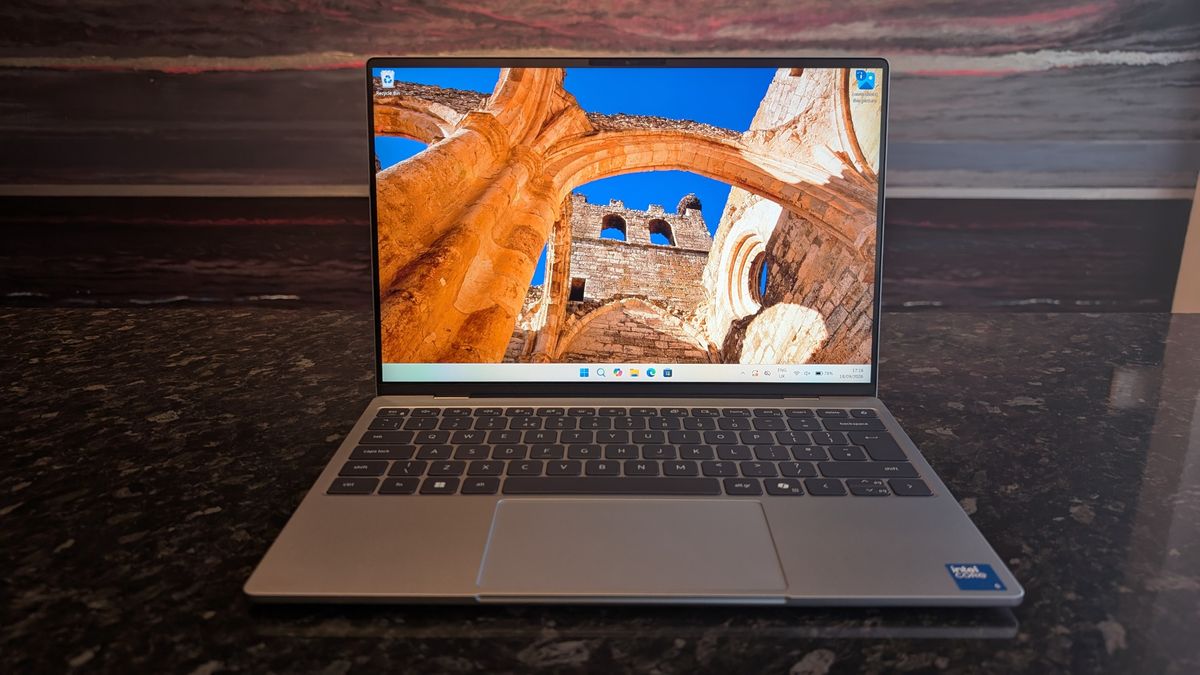
At first glance, the XPS 13 retains the signature thin chassis, all-metal casing, and minimalist branding that define the XPS line. However, its budget-friendly nature becomes apparent upon opening it. The previously upscale touchpad and zero-spacing keyboard are replaced by more conventional options, akin to those found on the average Chromebook. This design adaptation serves both function and cost efficiency, aligning with the expectations of today’s users without sacrificing core elements of the XPS line.
- Dell XPS 13 (2016) (13.3-inch 128GB) at Amazon for £861.01
Under the hood, a mid-range hexa-core Intel Core 5 chip and a base model of 8GB RAM indicate a sensible pricing strategy. This configuration ensures competent handling of everyday tasks, though it falls short when multi-tasking or engaging in more demanding applications. Notably, the battery life impressively shines, and the display quality is commendable given the price point—features that strengthen its appeal.
However, a few limitations hinder the XPS 13’s appeal. The base model’s 8GB RAM falls short by current standards for Windows software, while its limited port selection might frustrate heavy users. The price point also toes the line as a serious rival to the MacBook Neo. This may not be fully within Dell’s control; a global RAM crisis, spurred on by a surge in demand for AI hardware, has steadily driven up the prices of various computer components.
In summary, Dell’s XPS 13 is a robust addition to the budget laptop market, offering enough capability for everyday tasks, although potential buyers should manage their expectations, especially regarding performance under load.
Dell XPS 13 (2026) review: Price & availability
(Image credit: Future)
- Starts at $699 / £749 / AU$1,597.20
- Student discounts help a lot
- Available worldwide
Brace yourself: this price breakdown merits attention. U.S. buyers will find the base configuration appealing at a starting price of $699, which includes a 256GB SSD, Intel Core 5 320 processor, and 8GB of RAM. This places it within the same range as the 256GB MacBook Neo. Yet, the base model’s RAM is soon a concern—8GB is inadequate for modern software demands. An upgrade to 16GB, which necessitates a move to a 512GB SSD, raises the price to $899. This may distance it further from the MacBook Neo, which lacks a 16GB model.
For international buyers, pricing comparisons become less favorable. The absence of a 256GB SSD configuration in Australia makes the cheapest model start at £749 / AU$1,597.20, which poses a substantial deterrent given exchange rates. Additionally, ramping the RAM to 16GB plus the SSD to 512GB incurs costs amounting to £1,099 / $1,897.50.
While options for higher specs exist, including up to 32GB RAM and 1TB SSD capabilities, the increase in price raises questions about whether the XPS 14 may offer better value vis-à-vis performance features. Moreover, configurations with the Core Ultra 7 processor provide Thunderbolt 4 ports.
Overall, while the Dell XPS 13 is a reasonable choice for U.S. buyers looking for a functional work or student laptop, its value diminishes under global pricing pressures.
Dell XPS 13 (2026) review: Specs
| Row 0 – Cell 0 | Base spec | Max spec |
Price | $699 / £749 / AU$1,597.20 | $1,799.99 / £1,899 / AU$3,698.20 |
CPU | Intel Core 5 320 | Intel Core Ultra 7 355 |
Graphics | Integrated Intel Graphics | Integrated Intel Graphics |
RAM | 8GB LPDDR5X | 32GB LPDDR5X |
Display | 13.4inch, 2.5K (2560 x 1440), 120Hz, 500 nits, Touch | 13.4inch, 2.5K (2560 x 1440), 120Hz, 500 nits, Touch |
Storage | 256GB M.2 PCIe SSD | 1TB M.2 PCIe SSD |
Ports and Connectivity | 2x USB-C 3.2 Gen 2; Wi-Fi 7, Bluetooth 6.0 | 2x Thunderbolt 4 USB-C; Wi-Fi 7, Bluetooth 6.0 |
Battery | 52Wh | 52Wh |
Weight | 2.2lbs (1 kg) | 2.2lbs (1 kg) |
Dimensions | 11.7 x 7.9 x 0.5 inches / 297 x 201 x 13mm | 11.7 x 7.9 x 0.5 inches / 297 x 201 x 13mm |
Dell XPS 13 (2026) review: Design
(Image credit: Future)
- Impressively thin and light
- Premium build quality
- Port selection is feeble
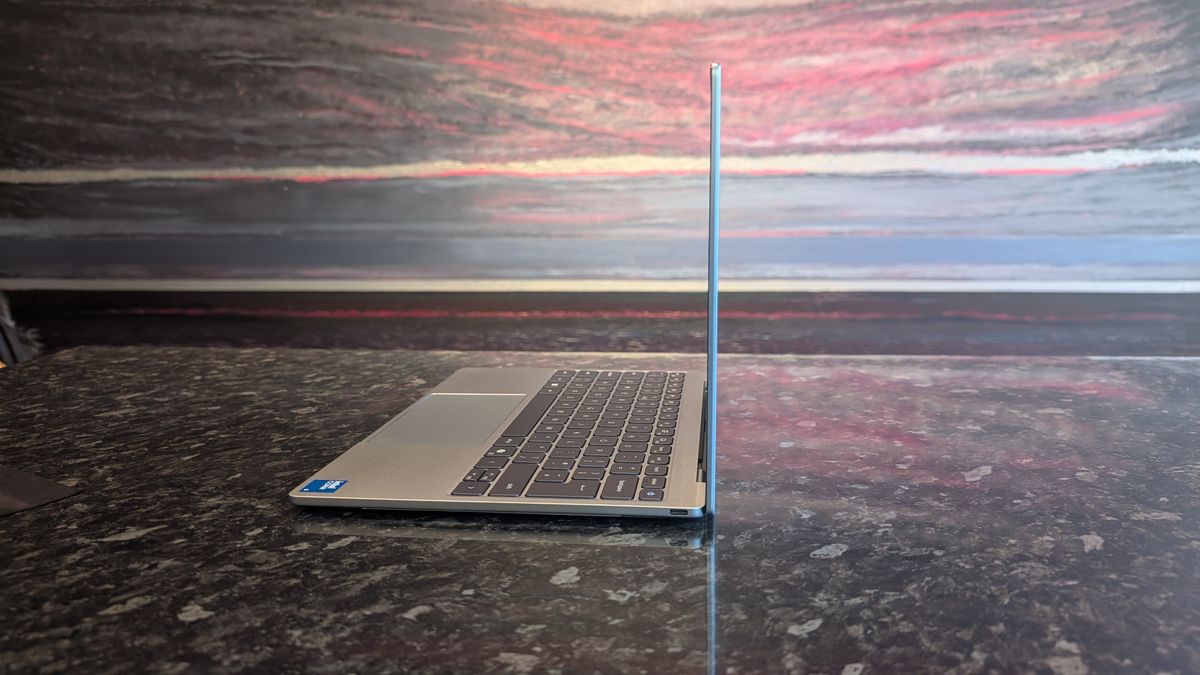
Despite the redesign towards more conventional aesthetics, the Dell XPS 13 (2026) maintains the essence of a high-end product. While concerns surrounding its pricing remain, the durability of its build quality across configurations is commendable.
The chassis is machined from high-grade aluminum, rendering it both sturdy and lightweight. At approximately one kilogram, combined with the 13.4-inch slim bezel display, portability is maximized. The laptop measures just half an inch in thickness, boasting a smooth matte finish that resists scratches and fingerprints.
Different color variations are available, with subtle metallic tones; however, the selection may vary by region and configuration.
(Image credit: Future)
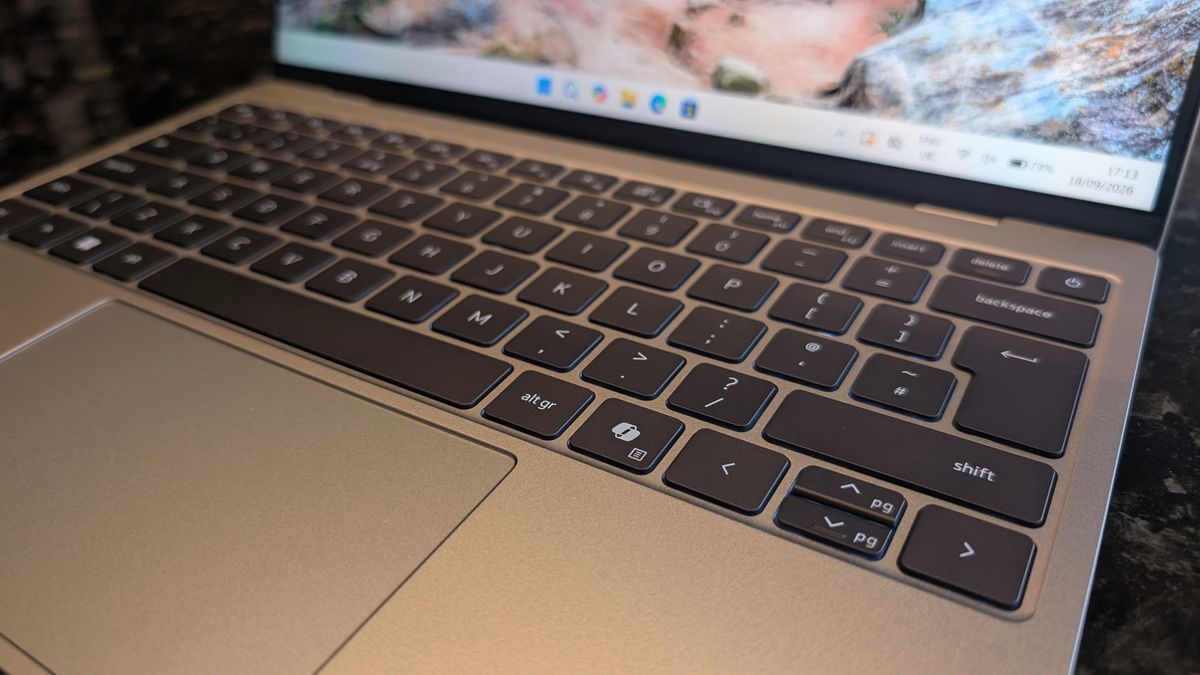
Both keyboard and touchpad have undergone a redesign, prioritizing function over form. The keyboard features LED backlighting, a comfortable layout, and decent travel—sufficient for extensive typing. Although some may find it slightly spongy, especially at deeper presses, it aligns with the expectations of a sub-$800 laptop. The touchpad is responsive and offers satisfactory feedback, though corner presses may feel somewhat flimsy.
Consistent with previous XPS models, the display continues to impress—a high-quality 2.5K touch panel with excellent brightness and colors, delivering significant value for users selecting the most economical option.
(Image credit: Future)
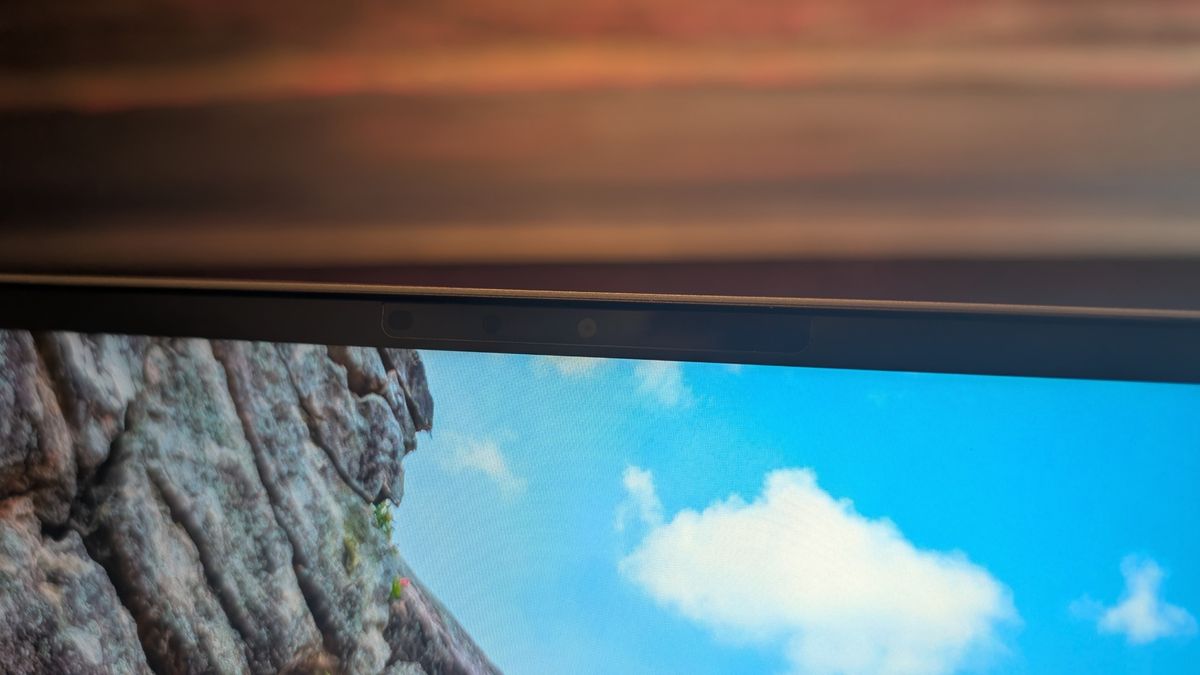
As for the audio, the integrated speakers provide sufficient volume and quality for a laptop of its size, though deep bass isn’t expected. The webcam offers 1080p resolution, outperforming many affordably priced competitors, though low-light capabilities leave much to be desired. Facial recognition logins via Windows Hello are included, enhancing security. However, the integrated microphones perform adequately, making extra accessories advisable for frequent video conferencing.
The device excels in wireless connectivity, featuring Wi-Fi 7 alongside Bluetooth 6.0—rare traits for laptops under $1,000. However, physical connections are a weak point, lacking the necessary variety. While two standard USB-C ports are provided, many users may find this insufficient, resembling the same limitations seen in the MacBook Neo. Additionally, because charging uses one of these ports, users have to forgo one connection while charging, often necessitating a USB-C hub.
Dell XPS 13 (2026) review: Performance
(Image credit: Future)
- Decent everyday performance
- Gets a little warm under load
- 8GB RAM is simply not enough for heavier workloads
Dell XPS 13 (2026) benchmarks
3DMark: Night Raid: 17,611; Fire Strike: 3,308; Geekbench 7: Multicore: 7,103; Single-core: 2,345; Cinebench 2026: Single Core: 455; Multi Core: 1,604; Battery Life (TechRadar movie test): 16 hours and 17 minutes.
While managing expectations is crucial, the XPS 13 surprisingly exceeded anticipated performance. Daily tasks such as browsing, word processing, and light image editing operated flawlessly—there was little to no slowdown even under moderate workloads.
However, challenges emerged with more demanding applications, particularly due to the insufficient 8GB of RAM. This is evident by performance limitations during heavier workloads, echoing wider industry trends pushing for higher RAM standards.
Battery life represents a strong point, with the efficient Intel architecture enabling impressive longevity given its 52Wh capacity. Under real-world testing, the laptop surpassed 16 hours of video playback—a noteworthy feat that outpaces competitors like the MacBook Neo.
In practical terms, the XPS 13 maintains stability during basic tasks but struggles with resource-heavy applications or gaming, suggesting users should invest in higher RAM variants if they wish to maximize productivity potential.
Dell XPS 13 (2026) review: Battery life
(Image credit: Future)
Intel’s advanced power management shines through in the Dell XPS 13 (2026). Despite the modest battery size, the laptop excelled in our video playback test, achieving an impressive runtime exceeding 16 hours. This accomplishment underscores the XPS 13’s competence in mainstream contexts, allowing for extended usability throughout a typical workday.
Remarkably, the laptop retains charge well during downtime, maintaining a high percentage after prolonged inactivity. It also charges efficiently—particularly the variant with Thunderbolt 4—which results in a full charge in under an hour.
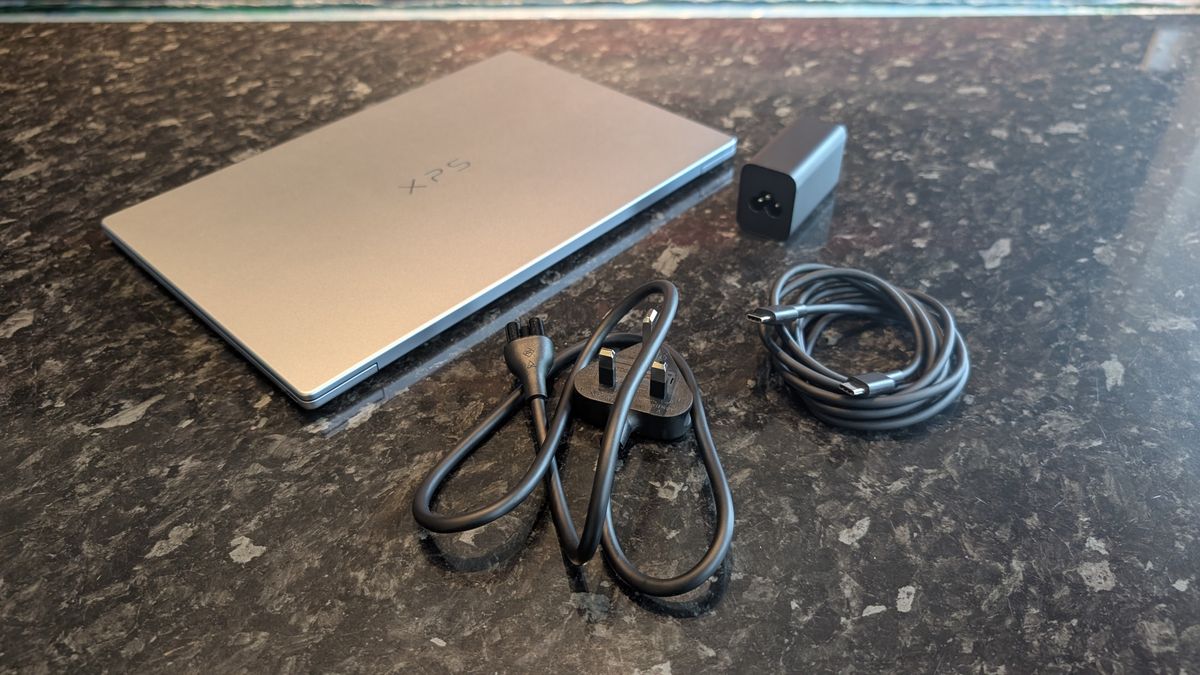
One issue arises in certain regions—specifically the UK and EU—as the absence of a power adapter can lead to complications. This relative lack of inclusivity for consumers can lead to frustration, akin to another significant tech brand’s approach.
- Battery life score: 4.5 / 5
Should I buy the Dell XPS 13?
Scorecard
Attributes | Notes | Rating |
Value | While U.S. pricing is competitive, international costs make it less attractive. Discounts help in education settings. | 3 / 5 |
Design | The XPS 13’s robust build quality and impressive touchscreen are standout features, despite limited port options. | 4 / 5 |
Performance | Good performance in basic tasks; however, 16GB RAM is recommended for multitasking effectiveness. | 3 / 5 |
Battery life | Superb battery life ensures reliable usage throughout extended work sessions. | 4.5 / 5 |
Total Score | While the 2026 XPS 13 doesn’t dethrone its Apple rival, it remains a solid choice for those seeking a capable Windows alternative. | 3.65 / 5 |
Buy it if…
Don’t buy it if…
Dell XPS 13 (2026) review: Also consider
How I tested the Dell XPS 13 (2026)
- Tested for one week
- Used for a variety of workloads
- 8+ years of hardware testing experience
My review process involved swapping out my daily driver for the Dell XPS 13 over an entire week, allowing me to assess its performance during typical tasks like web browsing, article writing, and light image editing. Benchmark tests complemented this real-world evaluation, particularly regarding battery life as part of a looped video test.
I bring over eight years of experience in tech journalism to my reviews, ensuring an impartial and thorough examination of each product’s performance, delivering verifiable information for prospective buyers.
- First reviewed: September 2026
- Read more about how we test
Dell XPS 13: Price Comparison
Image Credit: www.techradar.com


