


Apple’s New Live Rewind Feature: A Double-Edged Sword
At the recent Surprise and Shine event, Apple unveiled an innovative feature for the Apple Watch called Live Rewind. This feature enables users to play back audio from the last 15 seconds, which some users find beneficial. However, its introduction has sparked heated debates surrounding privacy concerns.
The Functionality of Live Rewind
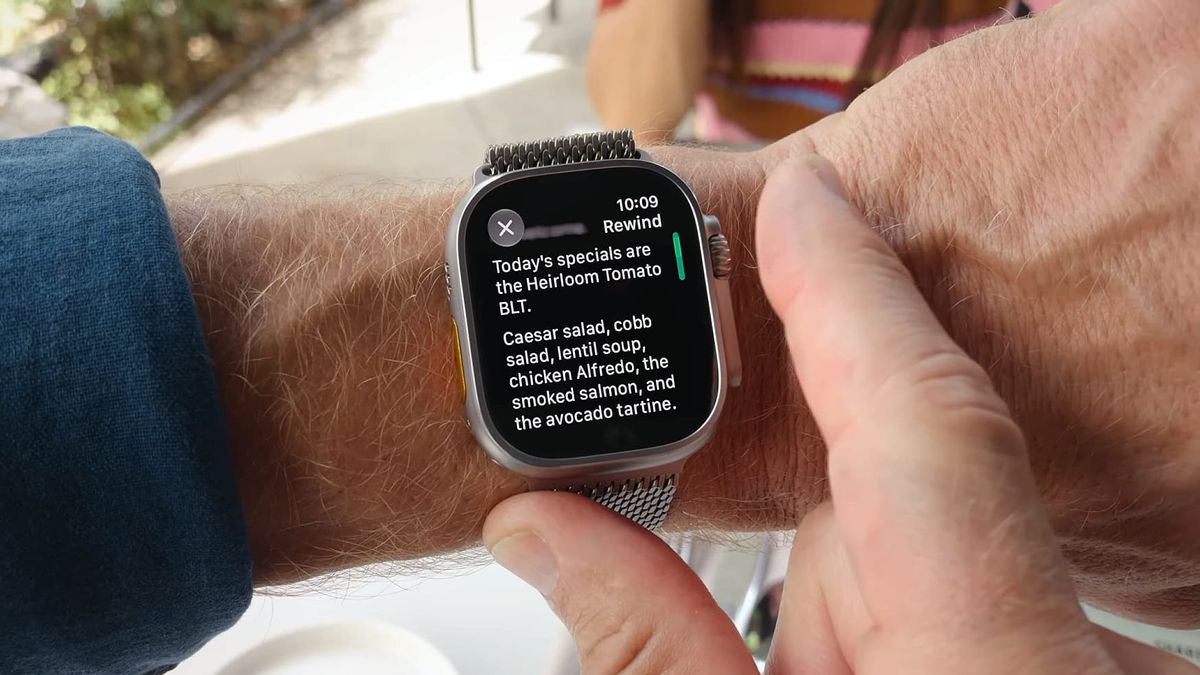
Live Rewind allows users of the Apple Watch Series 12 or Apple Watch Ultra 4 to quickly replay missed audio by double-pressing the Digital Crown. This function can provide valuable text transcriptions of important information that may have been overlooked, making it especially useful for individuals who are deaf or hard of hearing, or for those needing a quick reminder.


(Image credit: Apple)
Privacy Concerns Raised
Although many observers acknowledge the potential benefits of Live Rewind, there are significant concerns about privacy. Critics fear that the feature could enable users to record conversations without consent, essentially turning personal devices into surveillance tools.
However, Apple has made efforts to clarify how this feature works. At the launch event, it was emphasized that Live Rewind does not record or store audio. Instead, it processes audio within the Secure Enclave of the Apple Watch—a separate processor that ensures privacy. Audio is deleted immediately after transcription, and Apple assures users that the data cannot be accessed by anyone, including Apple itself.
Understanding the Technical Safeguards
The audio captured by Live Rewind operates on a rolling basis, meaning that it continually overwrites older data with new audio. When the feature is activated, if the Apple Watch can’t communicate with the iPhone (such as when outside the wireless range), the audio is promptly discarded.
Once processed, the audio becomes a transient text transcript that remains available on the device for 30 seconds. Users can opt to save the text to the Siri app, which employs end-to-end encryption for added security. This mechanism ensures that not even Apple can access the saved data without proper user authentication.

(Image credit: Apple)
User Awareness and Transparency
One aspect that differentiates Live Rewind from other surveillance technologies is the feature’s transparency. Upon activation, your Apple Watch emits a chime—even if it is on silent mode—and displays a visible indicator on-screen. This ensures that others nearby are aware that the feature is in use, which protects against surreptitious recordings.
Additionally, Live Rewind operates on an opt-in basis. Users must actively enable this feature during setup, and it can be easily disabled in the settings. While it ultimately falls on users to communicate their intent to others, Apple’s design mitigates the potential misuse of this technology.
Overall, with the safeguards detailed in Apple’s Audio Intelligence Privacy Overview, it appears that the company is making a concerted effort to address privacy concerns while providing a useful feature for those who need it the most. The combination of audio processing in a secure environment, immediate deletion of audio, and user notifications represents a significant commitment to privacy.
For those intrigued by this new feature or interested in exploring its implications further, you can find more information here.
Image Credit: www.techradar.com


