


The Apple Watch Series 12 and Garmin Fenix 9 Pro: A Closer Look at Their Heart Rate Tracking Accuracy
The latest Apple Watch Series 12 and the Apple Watch Ultra 4 have emerged as frontrunners in the smartwatch market, particularly in heart rate tracking capabilities. These devices are celebrated for their newly designed Health Sensing System, which features a revamped LED sensor array. This enhancement allegedly enables the smartwatches to measure active and resting heart rates up to 60 times more frequently than their predecessors.
In testing previous models, such as the Apple Watch Ultra 3, the heart rate readings were remarkably close to those from electrical heart rate monitors, lending credibility to Apple’s claims about its accuracy.


The Testing Environment
Shortly after receiving my review unit of the Apple Watch Series 12 from Apple, I decided to put it to the test at the gym. To ensure a comprehensive evaluation, I also wore the Garmin Fenix 9 Pro on my other wrist. This premium smartwatch is well-regarded for its extensive features, powered by Garmin’s Elevate V5 heart rate sensor, which has previously shown minimal discrepancy (approximately 5 bpm) in heart rate readings compared to earlier Apple Watch models.
Calorie Count and Overall Performance
During my 40-minute strength training session, I tracked my average heart rate with both devices. The Apple Watch Series 12 reported an average heart rate of 125 bpm, while the Garmin Fenix 9 Pro recorded 132 bpm, revealing a noteworthy difference of seven beats. Although slightly outside my typical 5 bpm threshold for noteworthiness, this discrepancy is relatively minor.
However, the variations in calorie expenditure raised some concerns. The Garmin device recorded a calorie expenditure of 340 kcal, contrasting with the Apple Watch’s substantially lower reading of 242 kcal. This 88 kcal difference is significant, equivalent to roughly a small apple or a couple of spoonfuls of Ben & Jerry’s ice cream.
Understanding Caloric Measurement Variability
Calorie counting on smartwatches is inherently challenging due to the variability in device algorithms and sensor designs. A recent study published in the journal PLOS One highlighted that discrepancies in energy expenditure estimates can exceed 20% across various models. This makes it essential to approach calorie readings cautiously, understanding that while some variation is expected, significant differences like the one observed here warrant further investigation.
As I continue testing the Apple Watch Series 12 over extended workouts and alongside other wearables, it will be fascinating to see if the accuracy claims hold true and if the device can deliver more consistent readings in subsequent assessments.
Apple Watch Series 12
(Image credit: Future)
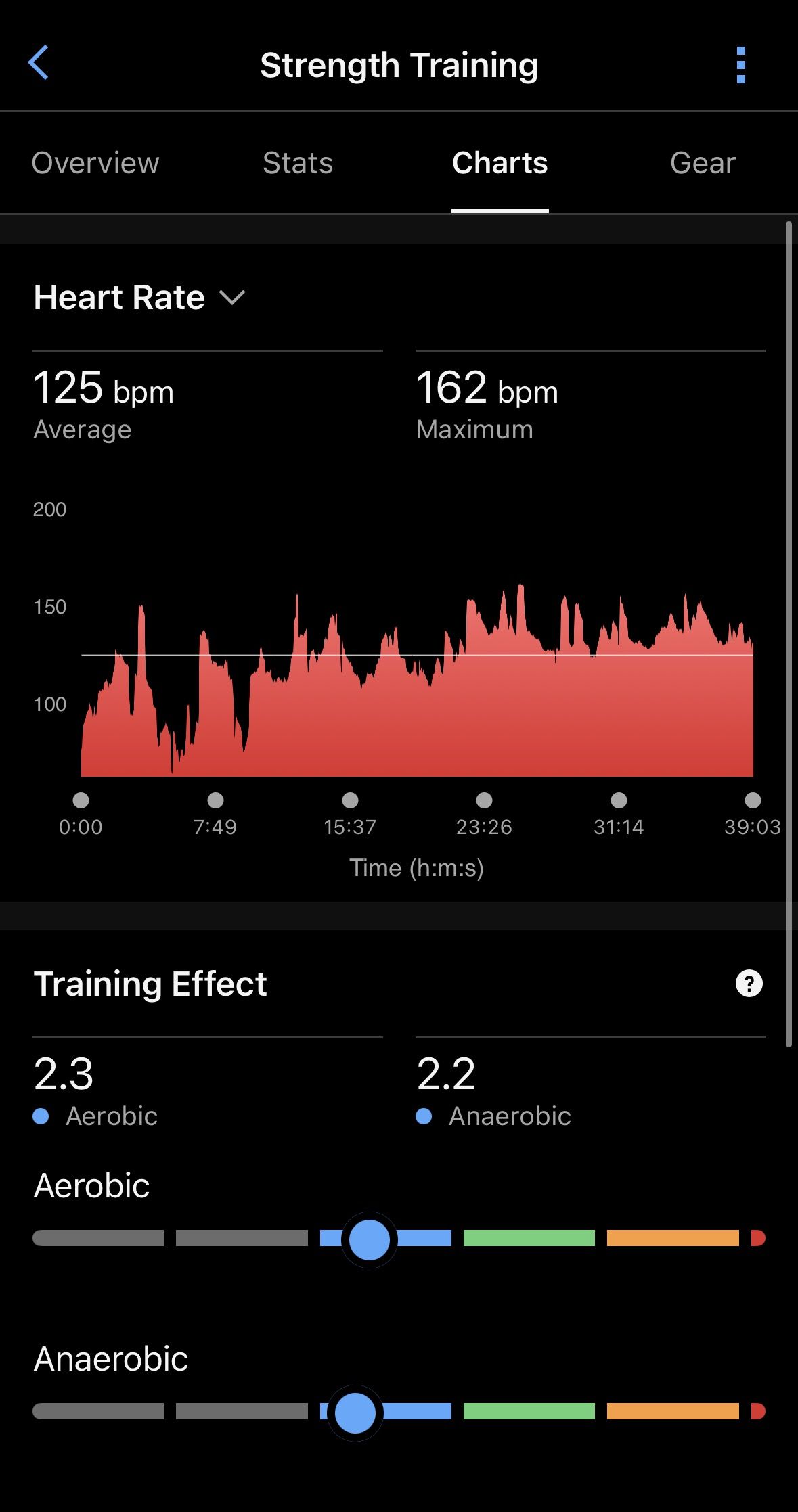
Garmin Fenix 9 Pro
(Image credit: Future)
Learn more about my findings in the full article on TechRadar. For a detailed analysis of the accuracy of these smartwatches and their performance in heart rate tracking, click Here.
Image Credit: www.techradar.com


