


Why you can trust TechRadar
We spend hours testing every product or service we review, so you can be sure you’re buying the best. Find out more about how we test.
We spend hours testing every product or service we review, so you can be sure you’re buying the best. Find out more about how we test.
The Huawei Watch D3: A Step Forward in Health Monitoring
It’s been two years since the release of the Huawei Watch D2, and Huawei has now unveiled its upgraded model, the D3. The D series marked a revolution by incorporating blood pressure monitoring into smartwatches, allowing users to track this crucial health metric without a separate device.
In my review of the Huawei Watch D2, I awarded it an impressive 4.5 stars, largely praising its blood pressure monitoring and innovative strap design. However, I also noted the drawbacks of its bulky profile, high price, and limited smartwatch features. While the D3 addresses some of these issues, certain aspects still leave room for improvement. This model edges closer to blending medical functionality with lifestyle appeal, though it hasn’t yet reached the pinnacle of smartwatch innovation.


Designed for Medical Monitoring
The Huawei D3 is primarily a medical device, evident from its CE-MDR certification. This certification ensures the watch meets stringent medical reporting standards, albeit at the expense of aesthetics. The watch’s blood pressure monitoring capability is a significant focus, indicating its role as a dedicated health device.
To effectively track blood pressure, the D3 integrates a mechanical airbag and pressure sensor within the strap. Although Huawei has made efforts to reduce the airbag’s bulkiness compared to the D2, it still falls short in comfort compared to standard smartwatches.
During testing, I found the D3 to align well with my blood pressure expectations. The device performs measurements within a minute, and user-friendliness is a hallmark—simply place the watch at heart level and remain still. The automatic reminder feature also helps ensure regular monitoring, revealing trends over days and facilitating easy report generation via the Huawei Health app.
Beyond Blood Pressure: A Range of Health Metrics
While the blood pressure feature certainly stands out, the D3 also provides other health-tracking options, including pulse wave arrhythmia analysis and beat-by-beat ECG monitoring. Unfortunately, I encountered intermittent signal issues with the ECG, but the arrhythmia analysis delivered consistent results.
For a comprehensive assessment of heart rate, I compared findings from the D3 to a dedicated heart rate monitor. Both devices produced identical measurements, though the D3 was slightly slower to respond to changes. Navigating through health metrics is straightforward thanks to an intuitive rotating crown control and a clear interface.
Design and Display
The watch boasts a 1.92-inch AMOLED display with a peak brightness of 3000 nits. The screen is vibrant and offers excellent visibility indoors and outdoors. However, the design isn’t without flaws; a noticeable gap exists between the display and the bezel, resulting in excessive dead space.
The D3 supports over 100 workout modes and includes a variety of smart features, such as notifications, Bluetooth calling, NFC payments, and voice note recording. These inclusions elevate its daily utility, making it a practical companion beyond medical monitoring.
Despite addressing some concerns regarding price with certain promotions, the D3 retains a high price tag of £399, making it £50 more than its predecessor. However, the inclusion of 10 months of Bupa Well+ health services for early purchasers may offset this premium cost.
Who Should Consider the D3?
This smartwatch caters specifically to a niche market. Individuals who are concerned about their blood pressure or want a convenient way to monitor it will find the D3 to be a formidable option. Although the watch’s bulk and discomfort might be trade-offs, it continues to champion a cuff-based approach when many competitors lean toward LED technology for hypertension detection.
(Image credit: Future / Paul Hatton)
Specifications at a Glance
Component | Huawei Watch D3 |
Price | £399 |
Dimensions | 46.5 × 41mm and 11.3mm thick |
Weight | 40g without strap |
Case/bezel | Aluminium alloy |
Display | 1.92 inch AMOLED (408 × 480 pixels, PPI 328) |
GPS | No |
Battery life | 1 day with the ABPM feature enabled or 6 days without |
Connection | Bluetooth and NFC |
Water resistance | No |
Overall Performance and Ratings
Category | Comment | Score |
Value | A mid-range smartwatch where you’re paying for the advanced blood pressure monitoring feature. | 4/5 |
Design | A modern, good-looking smartwatch that is only let down by its bulk. | 4/5 |
Features | Capable of recording an impressive set of medical-related metrics with workout modes and smart features to boot. | 4/5 |
Performance | Reliably accurate results with blood pressure recordings within my expected range. Heart rate measurements were spot on. | 4/5 |
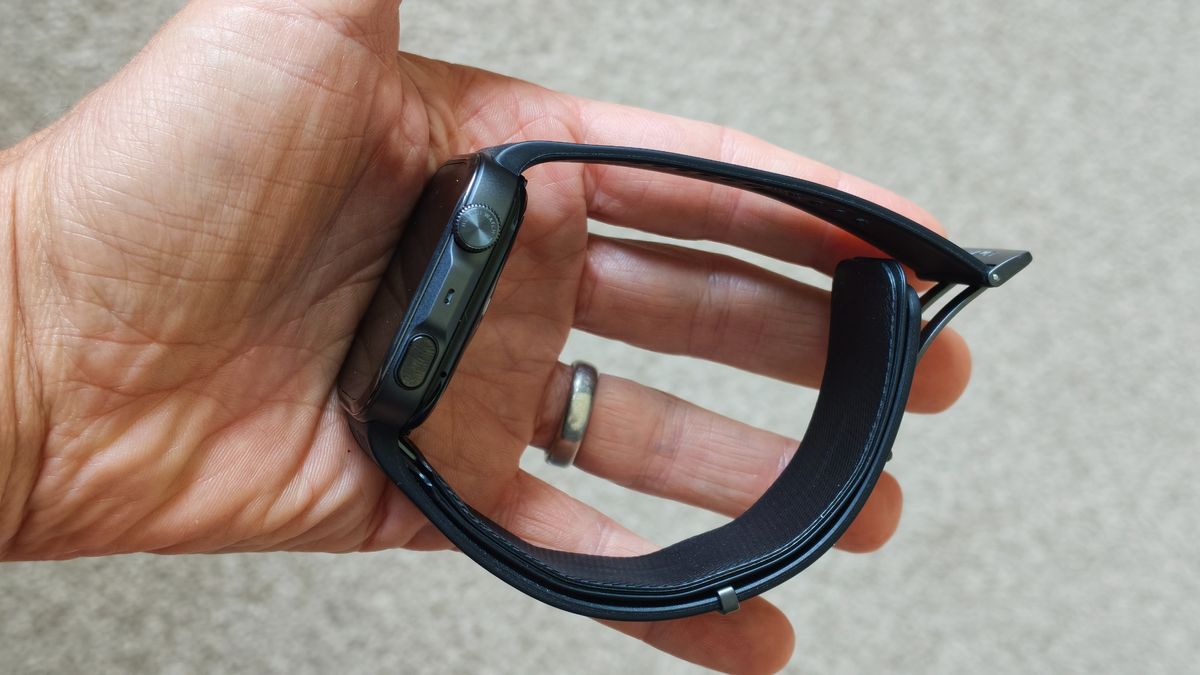
(Image credit: Future / Paul Hatton)
Final Thoughts: Is the D3 Right for You?
Wearing the D3 for 72 hours, I conducted all medical tests offered by the device, cross-referencing heart rate readings with a dedicated monitor and using it for notifications and voice recording. Its medical functionality is impressive, but potential buyers should weigh this against concerns like price and comfort.
In conclusion, if you are keen on precise blood pressure monitoring and don’t mind sacrificing some comfort for functionality, the Huawei Watch D3 is an excellent choice. For more details, check the full review here.
Image Credit: www.techradar.com


