


Valve’s Steam Machine: A Craze Without Borders
Valve’s highly anticipated Steam Machine has created a whirlwind of excitement among gamers, particularly in Japan, where reports indicate that the devices sold out almost immediately. The surge in demand isn’t just isolated to Japan; in the United States, reservations for Steam Machines are fetching staggering prices on platforms like eBay, with listings reaching up to $3,000 or more. This sudden rush for the gaming PC has sparked discussions about alternatives, particularly cheaper models emerging from Asia. However, caution is advised when considering these alternatives.
Exploring the Costs and Alternatives
The allure of the Steam Machine’s price tag, especially in the face of scalpers selling reservation spots far above the official MSRP, is prompting many gamers to seek cheaper alternatives. Reports from Reddit showcase cloned versions of the Steam Machine being sold in China for roughly $688, as opposed to Valve’s offering at $1,349 for a similar 2TB storage model. However, the cheaper price comes with significant red flags that potential buyers should be wary of.


A particular clone, showcased on platforms like Reddit, claims to feature a Ryzen 5 5500 processor, 16GB of DDR5 RAM, an AMD RX 6750 GRE graphics card, and a 2TB SSD. On the surface, it appears to be a fantastic deal, but buyers must ask themselves: “What corners might be cut to achieve such a low price?”
The Reselling Market and Its Pitfalls
While many hunt for deals on cloned machines, others are willing to pay a premium for the coveted Steam Machine. Recent observations indicate that individuals are reselling their reservation spots on eBay, often at prices close to double the original asking cost. It’s reported that some auctions for the 2TB model are priced nearly $3,500, with some sales reported around $2,800. This raises the question of whether the high demand reflects true consumer desire or just artificially inflated stock levels.
As noted by TweakTown, Valve’s reservation system operated through a lottery mechanic, allowing select individuals the opportunity to purchase the gaming PC. Unfortunately, this has led to disenfranchised gamers in regions like Japan, where stock levels appear insufficient to meet demand. Many have voiced their frustrations online.
Weighing Risks vs. Rewards
However, sophistication is required when navigating the lower-cost alternatives. Building a clone PC might seem wise, but it’s vital to investigate the components closely. For instance, the aforementioned Ryzen CPU isn’t compatible with the DDR5 RAM it’s advertised with, leading to concerns about whether buyers are truly getting what they pay for.
Additionally, potential pitfalls such as inadequate cooling solutions, thermal performance issues, and unknown component reliability add further layers of risk. Beyond hardware discrepancies, there’s the narrative of security, as a machine sourced from an unknown vendor may carry malware or subpar software versions. Importing from overseas adds even more logistical challenges in case of product failures.
In summary, while the Steam Machine holds significant potential as a gaming device, exploring cheaper alternatives must be approached with caution. If seeking affordability, consider purchasing from recognized retailers or explore the DIY route to build a personal Steam Machine. This path, while offering the chance for customizability, also requires understanding current market challenges, like component prices affected by ongoing supply chain issues.
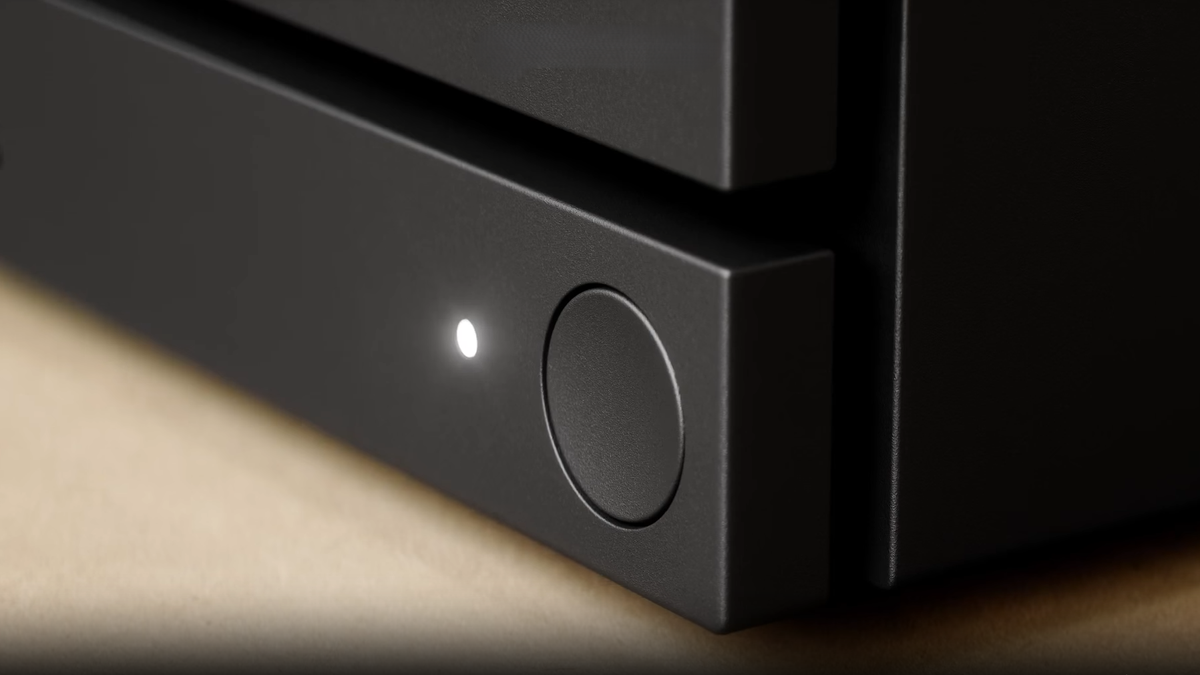
(Image credit: Valve)
For those interested in the complexities surrounding Valve’s Steam Machine, its popularity, and what alternatives may hold, it’s crucial to approach purchases wisely and stay informed. For more details on the state of the Steam Machine and its market presence, check out the full article Here.
Image Credit: www.techradar.com


