


Comparing the Zygo Solo and H2O Audio Tri Multi-Sport Waterproof Headphones
The world of waterproof headphones has seen significant innovations designed for swimming enthusiasts. Two standout products are the Zygo Solo and the H2O Audio Tri Multi-Sport. Both options provide unique features and serve different needs, so let’s dive into the details.


The Zygo Solo is an innovative product in the realm of underwater audio. It stands out as the only pair of swimming headphones capable of streaming content from your phone while submerged.
Pros and Cons of Zygo Solo
Pros
- Streams content underwater
- App with tips and workouts
- Easy to set up
- Excellent sound
- FM transmitter functions like a walkie-talkie
Cons
- Requires a lot of gear
- Works best with earplugs
- Headset has no buttons
- Charging case lacks a battery
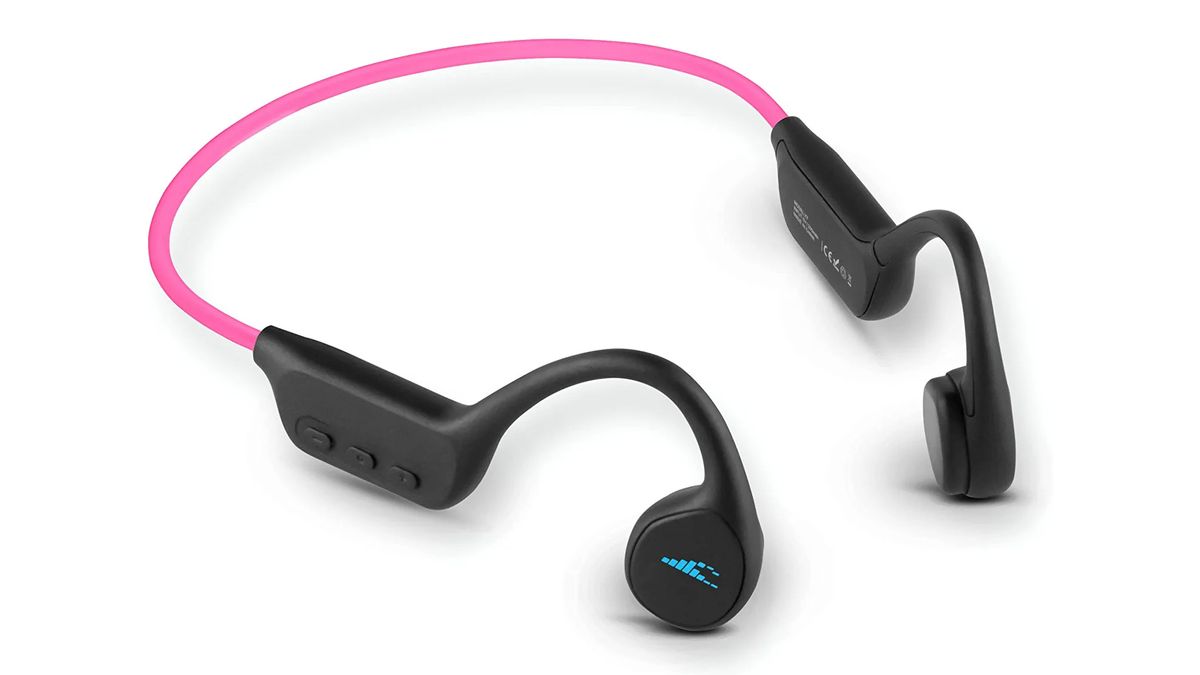
The H2O Audio Tri Multi-Sport offers users the flexibility of listening to music that is either pre-loaded onto its 8GB flash memory or streamed directly from a phone via Bluetooth.
Pros and Cons of H2O Audio Tri Multi-Sport
Pros
- Bluetooth and 8GB flash memory available
- High-quality sound
- Highest waterproof rating
Cons
- Main button governs multiple functions
- Uses a proprietary cord
- Bass-heavy sound underwater
The Zygo Solo and H2O Audio Tri Multi-Sport each excel in their unique features, making them exceptional choices for aquatic activities. Both models boast impressive waterproof ratings and utilize bone conduction technology. However, they also reveal a number of distinct differences worth considering.
Both headphones were rated 4.5 stars in their respective reviews, reflecting their overall performance and innovation in waterproof audio solutions. Regardless of your choice, you’ll end up with a quality product suited for swimming, beach trips, or any water-based scenarios.
You may like
When assessing these two headphones, it’s crucial to weigh their differing features against your personal needs and preferences.
(Image credit: Future / Michelle Rae Uy)
Price & Availability of Zygo Solo and H2O Audio Tri Multi-Sport
- H2O Audio Tri Multi-Sport is half the price and available in Australia
- Zygo offers a Peloton-like subscription for water-based workouts
The Zygo Solo may currently not be available in Australia, presenting a challenge for potential buyers. Those in the US and UK can order it without hassle, while Australians have the advantage of accessing the more affordable H2O Audio Tri Multi-Sport.
Pricing further highlights the distinction between the two products. The H2O Audio is competitively priced at $149.99 (£128.00, AU$225.00), which is approximately half of the Zygo Solo’s price of $299.00 / £218.00 (around AU$400.00). However, the Zygo Solo incorporates two significant features unique to its design.
Firstly, the Zygo Solo uses an FM transmitter to allow streaming from services like Spotify, which other earbuds generally do not support in underwater environments. This addresses the common limitation of Bluetooth technology which struggles with penetration through water and often requires MP3 players instead.
Secondly, for a monthly fee of $14.99 / £12.99 (roughly AU$20), users gain access to Zygo’s All Access Monthly Plan, which provides numerous water-centric workout options, enhancing fitness routines while swimming.
The H2O Audio Tri Multi-Sport retains an edge when it comes to value, particularly considering its built-in MP3 player and the absence of additional equipment requirements for aquatic activities.
Design Comparison Between Zygo Solo and H2O Audio Tri Multi-Sport
- Zygo Solo utilizes an FM transmitter but involves additional gear
- H2O Audio Tri Multi-Sport is simpler with a built-in MP3 player
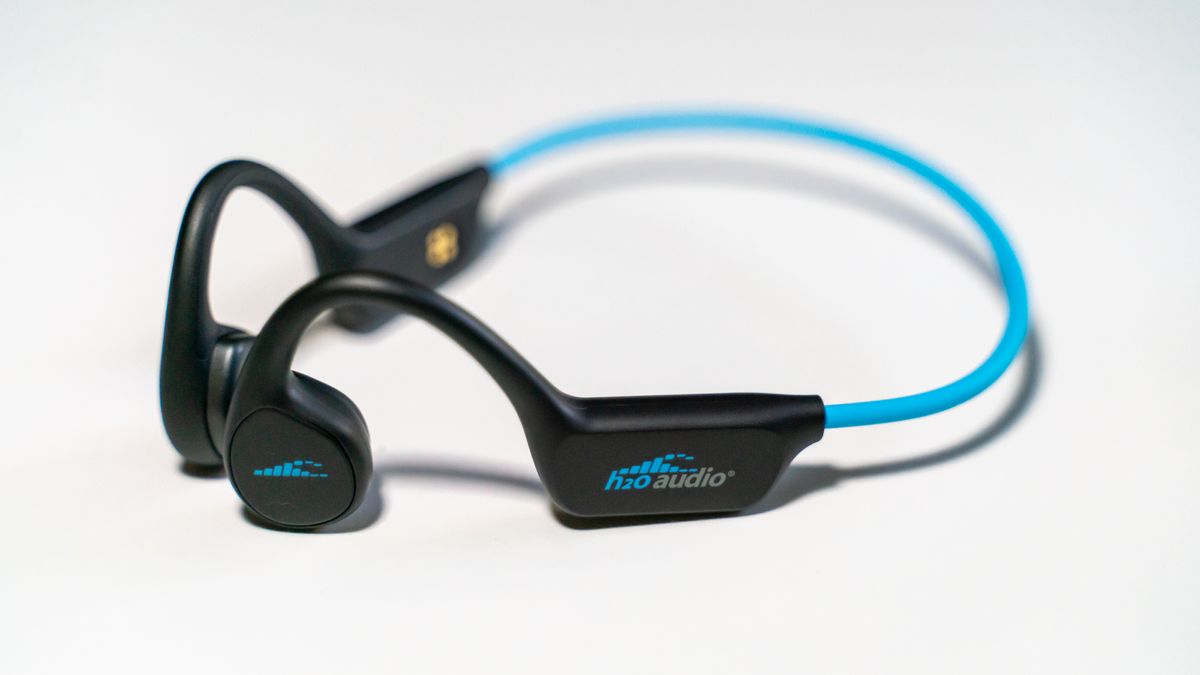
Being both bone conduction headphones, the Zygo Solo and H2O Audio Tri Multi-Sport share similarities in design, featuring bone conduction sensors that rest on the cheeks. Nonetheless, each product has its attributes. The H2O model weighs only 33 grams and incorporates an 8GB MP3 player; the Zygo Solo, in contrast, weighs 66 grams due to its FM receiver, which necessitates extra equipment like a phone and transmitter.
The need for additional gear with the Zygo Solo poses practical considerations, particularly in public spaces. Users could find it more cumbersome compared to the H2O Audio’s standalone MP3 player, allowing for a straightforward music experience without worry. On the other hand, the presence of Bluetooth in H2O’s design provides versatility for other physical activities beyond swimming.
While both options possess strong attributes, the Zygo Solo’s subscription model offers valuable content that could incentivize users to maximize their water workouts, distinguishing it from competing products.
(Image credit: Future / Michelle Rae Uy)
Performance Assessment of Zygo Solo and H2O Audio Tri Multi-Sport
- Zygo Solo offers slightly superior sound quality
- Both headphones have complex control systems
Sound performance is critical for any audio device. Bone conduction headphones are notorious for their unique sound delivery mechanism, resulting in a thinner sound profile, particularly outside of water where bass may also be lacking. However, once submerged or when using earplugs, both headphones drastically improve sound quality—Zygo Solo being slightly more favorable in this regard.
Navigation of controls can be cumbersome with both products. The Zygo Solo features minimal on-unit controls, limiting users to volume adjustments, while playback and skipping require interaction with the FM transmitter. This limitation necessitates pre-queueing playlists ahead of time to avoid exiting the water for adjustments.
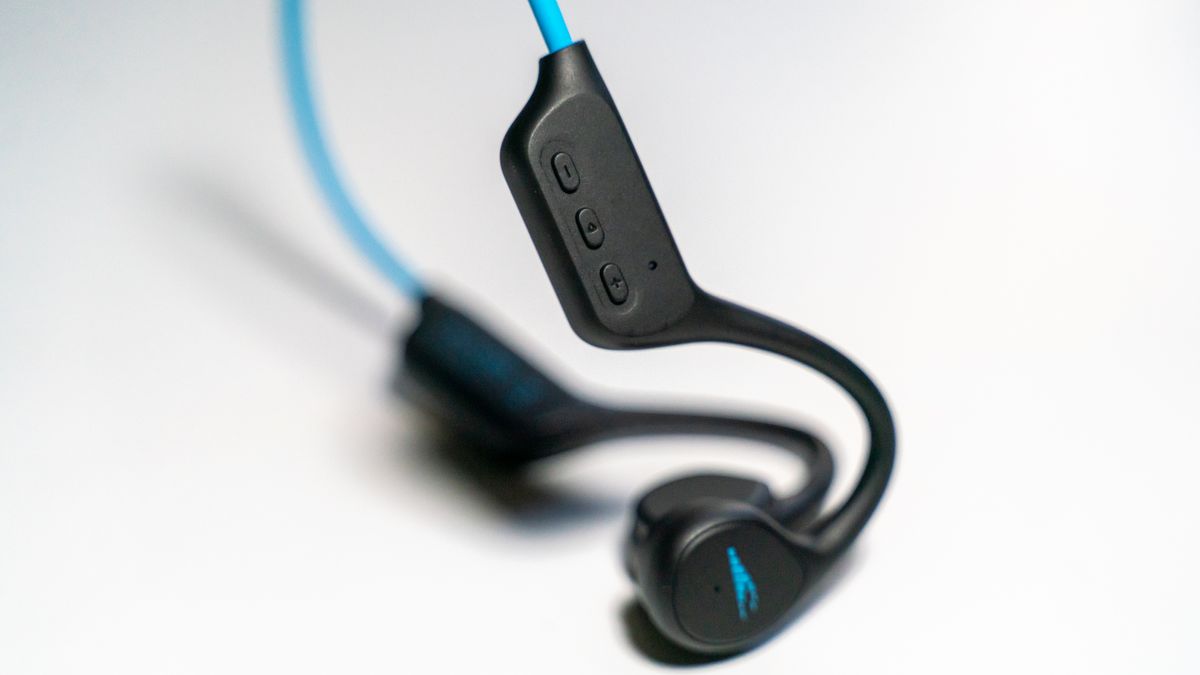
Conversely, the H2O Audio Tri Multi-Sport includes a set of buttons that permit easy navigation; nonetheless, their small size may pose challenges when wet. Users might find it difficult to adjust controls without steady, dry hands, complicating usage during swimming or high-water activities.
- Winner: Zygo Solo (by a slim margin)
Which Headphones Are Right for You?
Choosing between the Zygo Solo and the H2O Audio Tri Multi-Sport ultimately depends on your specific needs. The Zygo Solo is designed for streaming enthusiasts wanting underwater access to services like Spotify, alongside the benefit of sound quality and workout motivation through its monthly subscription.
On the other hand, the H2O Audio option provides a solid budget-friendly choice, ideal for those who prefer storing music directly on the device and without the hassle of carrying extra gear. With its enhanced versatility through Bluetooth, it’s a practical choice for swim, bike, or run sessions.
In short, if streaming is paramount, the Zygo Solo is your best bet. But if you’re inclined towards budget-friendly options and pre-loaded playlists, the H2O Audio Tri Multi-Sport will serve you well.
For more information and detailed comparisons, check out the complete analysis Here.
Image Credit: www.techradar.com


