


While throwing on any pair of headphones or earbuds when you step onto the gym floor or head out the door for a run is perfectly fine, there are some options out there that are a much better fit when it’s exercise time. If you work out a lot, you’ll be grateful that you got something specifically tuned for it.
The best workout headphones factor in ideal sound to give you that motivational push, ensure they will stay put, and are built to go the distance when you need to go the distance.


If you’ve decided to invest in a dedicated set of workout headphones and are unsure what makes them a good fit for your ears and preferred sporty pursuits, here are a few things to consider before parting with your money.
You may like
1. Fit is Everything
Fit is crucial, especially when using headphones for rigorous activities. In-ear buds are generally preferred over over-ear headphones due to their lightweight design and functionality. Over-ear headphones can block out ambient noise, which is useful in quieter environments, but it’s not as essential in busy gyms or urban running scenarios where awareness of surroundings is important.
However, if you prefer to use over-ear headphones in environments that allow you to fully concentrate on your workout, go ahead! But for most exercise, you want those buds to stay in place and feel comfortable for both short and long durations, even when sweat and movement come into play.
To ensure a secure fit, look for earbuds designed with ear hooks, wingtips, or neckband styles. These features generally offer a more reliable grip, essential for staying put during vigorous activities. If you prefer truly wireless earbuds, check for the number and size of additional ear tips provided to increase your chances of finding a suitable fit.
Fit is particularly important for our choices of the best running headphones, as running is one of the activities most likely to dislodge earbuds.
(Image credit: Sony)
2. Pay Attention to Sweat, Water, and Dust Resistance
Alongside fit, it’s important to choose earbuds that offer protection against sweat, dirt, and moist conditions encountered during workouts. Understanding the ‘IP’ or ‘Ingress Protection’ ratings attached to headphones can clarify their level of protection against moisture and foreign particles.
For a good level of durability, consider headphones with an IP57 rating which provides strong dust protection and can be submerged in water up to 1 meter deep for 30 minutes. Meanwhile, an IP68 rating offers complete resistance to dust and can handle submersion in water up to 1.5 meters deep for the same duration.
IPX4 rated earbuds, like Apple AirPods Pro and Beats Fit Pro, provide protection against sweat but aren’t suitable for full submersion. If swimming is your goal, look for headphones with onboard music storage, such as IP68-rated Shokz OpenSwim.
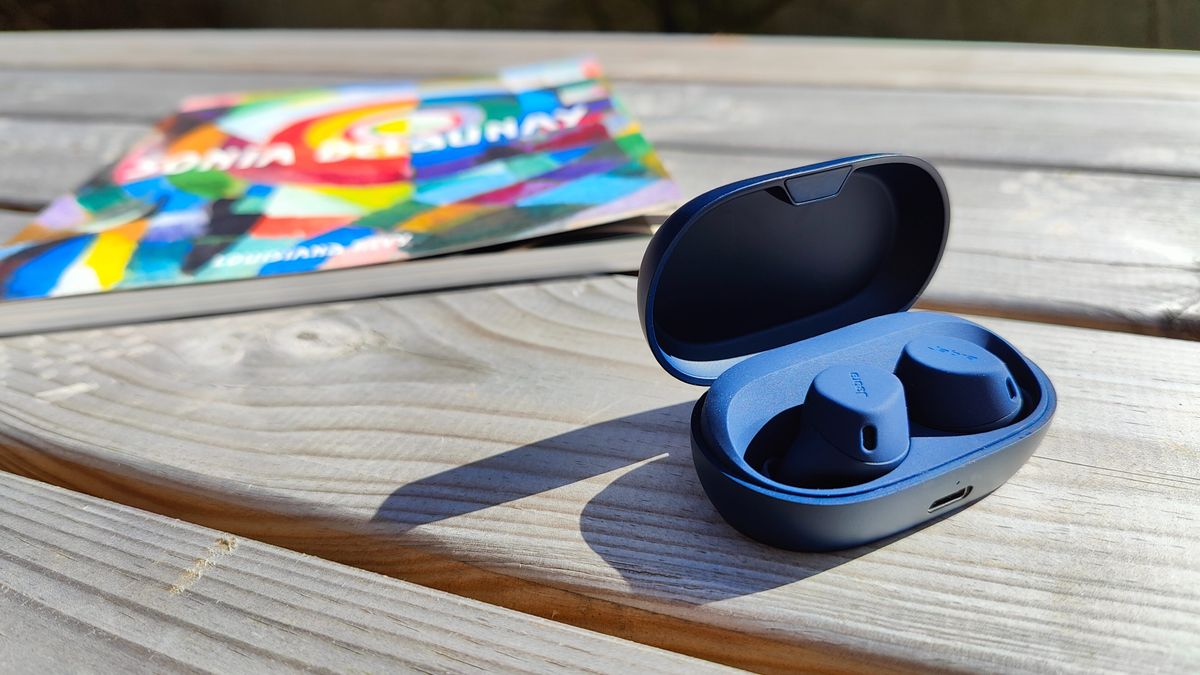
Additionally, certain models like Jaybird Vista 2 offer cases with IP54 dust resistance, enhancing durability in rugged conditions.
3. Go for Physical Controls
If you enjoy high-paced workouts, having responsive controls is crucial. Touch-sensitive controls can be unreliable during intense activity, especially when hands are sweaty. Headphones with physical buttons ensure greater reliability when you need to adjust volume or skip tracks quickly.
Several models incorporate physical controls without adding unnecessary bulk, so consider them when evaluating your options for workout headphones.
(Image credit: Peter Hoffmann)
4. Go for Quick-Charge Skills
While this isn’t strictly essential, the ability to fast-charge your headphones can be a lifesaver, particularly if you forget to charge them beforehand. Many truly wireless sports earbuds with fast-charging capabilities allow users to gain a significant listening time from just a brief charging period.
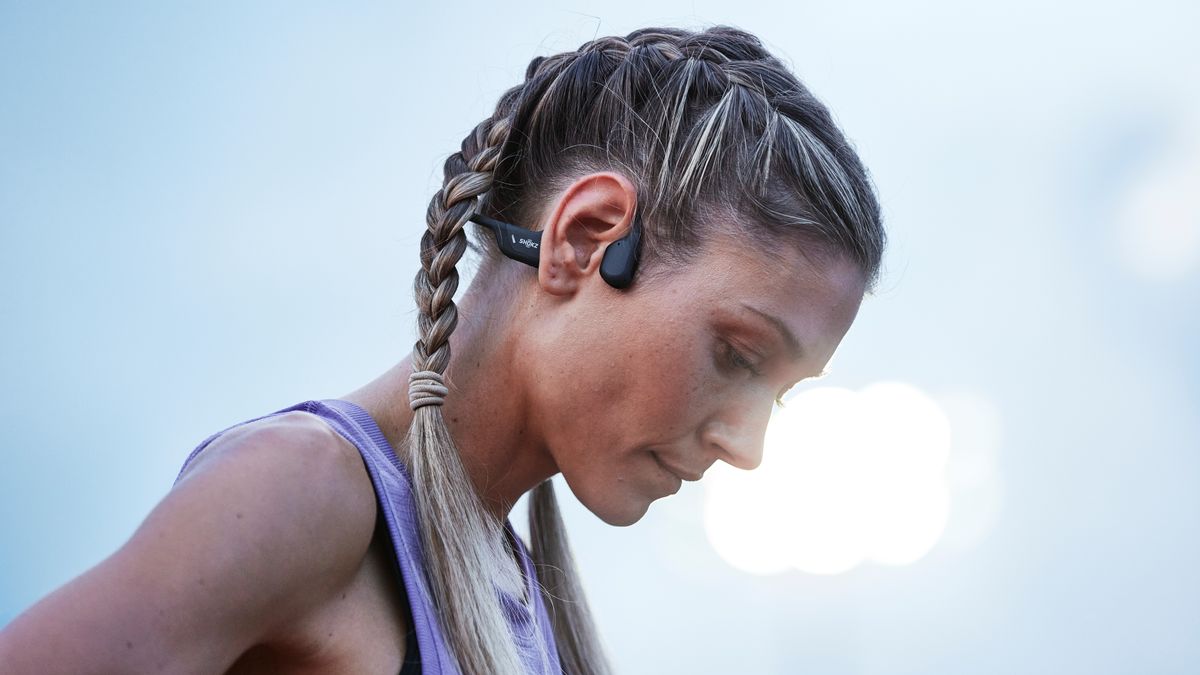
For example, Jabra Elite 7 Active can deliver an hour’s listening time from just a 5-minute charge, provided the case has a sufficient charge. Similarly, the Shokz OpenRun Pro offers 1.5 hours of playback from a mere 5-minute charge.
5. Study the Battery Numbers
When assessing truly wireless earbuds, pay close attention to battery life. Features such as active noise cancellation (ANC) or higher volumes can significantly drain the battery, so it’s worth examining the battery life quoted with these features activated. It’s equally important to verify that the charging case can hold a charge to avoid relying solely on a charging cable.
(Image credit: Shokz)
6. Scope to Customize Sound
Most workout headphones emphasize power and bass, but if you prefer podcasts or audiobooks, the ability to adjust sound profiles can enhance your listening experience. Many modern headphones allow for sound customization directly through the earbuds or via a companion app, giving you extensive control over the audio output.
Before purchasing, check the headphone’s compatibility with any app that may help fine-tune sound settings. It’s also important to note that while bone conduction headphones excel at audiobooks and podcasts, they may lack the bass response typical in traditional earbuds.
For a comprehensive guide on buying the perfect workout headphones, refer to the in-depth insights provided here.
Image Credit: www.techradar.com


