


The Importance of Sleep Quality and Tracking
A proper night’s rest is absolutely essential for our well-being. In light of that, it’s no wonder so many of us are keen to gain greater insight into our sleep quality. Increasingly, smartwatches and fitness trackers are kitted out with features to help us better understand our shuteye – and are offering solutions to detect whether we’re experiencing diagnosable disorders like sleep apnea.
As someone who lives with sleep apnea, I have a vested interest in this topic. Given how long it took me to understand my sleep issues, I’ve often wondered if I could have solved the puzzle much earlier with access to the best sleep trackers available.


Living with Sleep Apnea
A lot of my adult life has been overshadowed by severe fatigue. We’re not talking about just a little tiredness; we’re referring to a complete depletion of energy, reminiscent of going 36 hours without sleep. Randomly throughout the day, my brain attempts to hit an off-switch on my consciousness, and I find it takes every ounce of effort to resist giving in.
Exploring Sleep Tracking Devices
Naturally, I’ve been interested in sleep tracking wearables like the Apple Watch Ultra 2, Oura Ring 3, and Samsung Galaxy Watch 8 Classic. My experience with the first fitness band featuring sleep cycle tracking was eye-opening. Rather than a mere fragmentation, my sleep appeared sliced into pieces. Despite the accuracy of the data being questionable, I could see that I was waking countless times throughout the night without any recollection.
After years of searching for explanations behind my fatigue and successfully persuading my doctor to enroll me in a sleep study, I received a diagnosis of obstructive sleep apnea. I exhibit the classic symptoms: broken sleep, daytime fatigue, and, based on how often my partner jabs me in the ribs during the night, snoring.
(Image credit: Future)
Understanding Sleep Apnea
Sleep apnea is caused by the airway closing during the night, hindering breathing and consequently starving the brain of oxygen. This condition forces the brain to wake you up in the middle of a sleep cycle to reopen the airway. Regular awakenings, broken sleep cycles, and low blood oxygen levels are significant warning signs for sleep apnea.
Coupled with its negative health implications — including increased risks of heart disease, strokes, and motor vehicle collisions — it’s no surprise that many fitness trackers like Apple Watches are focusing on detecting sleep apnea symptoms. Some estimates suggest that as many as 10% of people are affected, making it crucial for individuals to be aware of potential signs.
Testing Leading Sleep Trackers
But how effective are these devices? If only we had a guinea pig with diagnosed sleep apnea who was willing to test leading sleep trackers… oh wait! That’s me.
Apple Watch Ultra 2
(Image credit: Future)
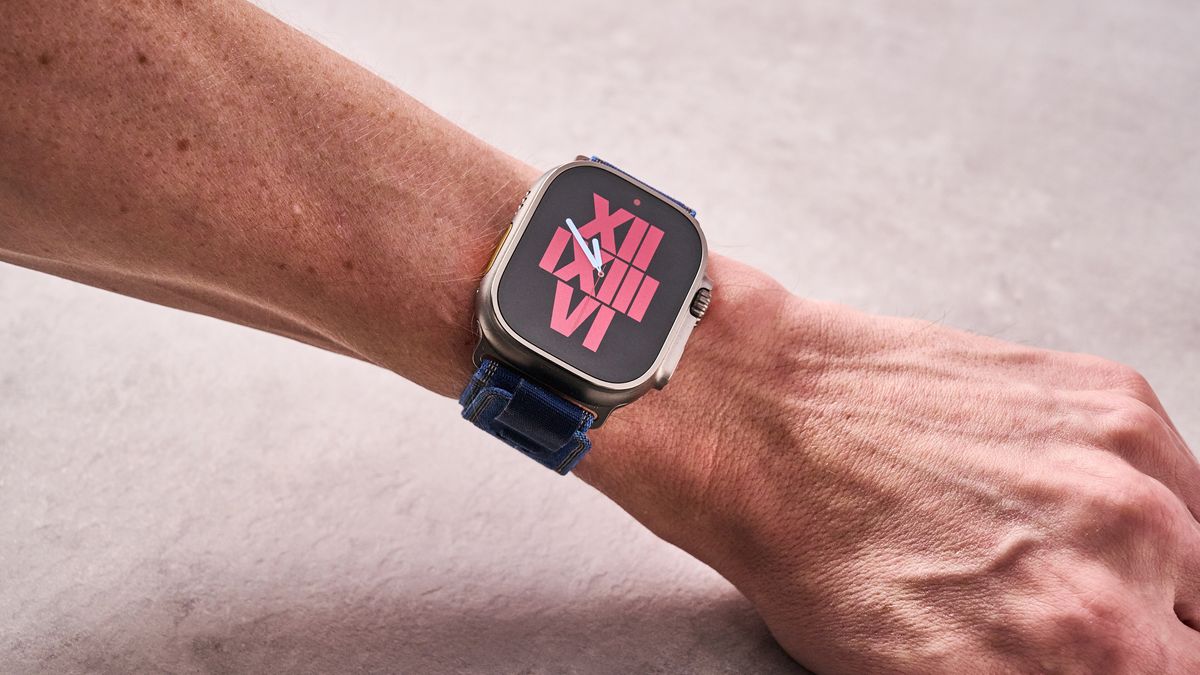
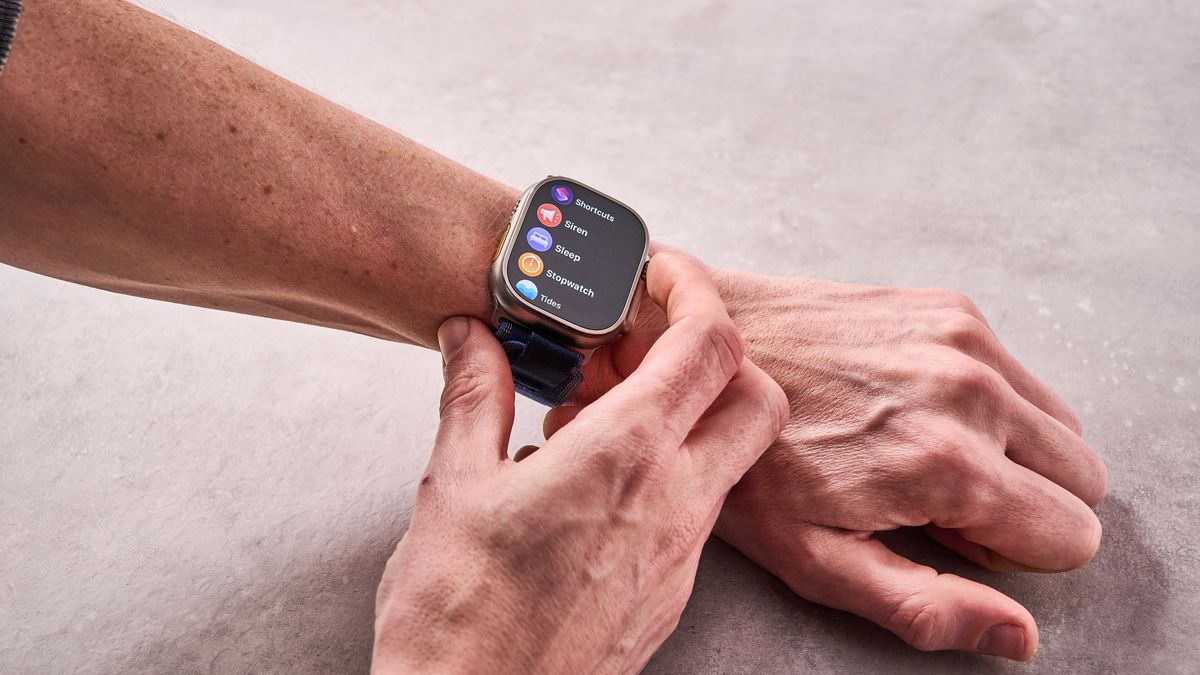
Initially, the Apple Watch Ultra 2 did not issue any sleep apnea alerts. In fact, none of the trackers I used provided concrete warnings about my diagnosis. As the Ultra 2 specifically mentioned during setup, it’s not intended to serve as a diagnostic tool.
This is probably for the best. The Ultra 2 rarely logged any breathing issues during the night, with one exception after a night of drinking. More worryingly, it didn’t register nights where I woke gasping for air.
However, it occasionally logged drops in my O2 saturation to levels as low as 94%. This isn’t an immediate alarm but indicates something might be awry.
(Image credit: Future)
Oura Ring Gen 3
(Image credit: Future)
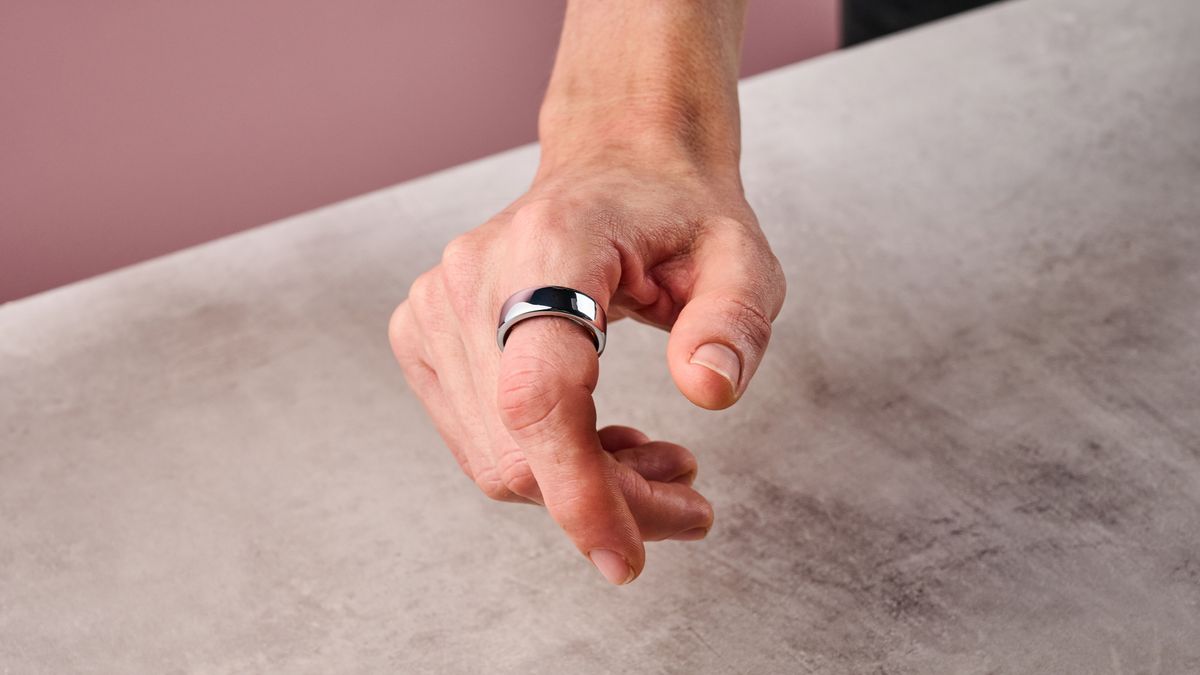
While the Oura Ring Gen 3 does not claim to detect sleep apnea, it consistently provided detailed insights that were more robust and accurate than the Apple Watch. It logged low levels of restorative deep sleep and accurately captured my struggles to reach REM sleep. One night, after hosting guests, it reflected my sleep challenges precisely, including my difficulty getting into deeper sleep stages.
Although it doesn’t provide explicit diagnoses, the Oura Ring tracks breathing disturbances and was helpful in connecting my sleep patterns with my daytime wellbeing. For instance, it accurately recorded high levels of sleep debt and reflected spiking stress levels related to my poor sleep.
Samsung Galaxy Watch 8 Classic
(Image credit: Future)
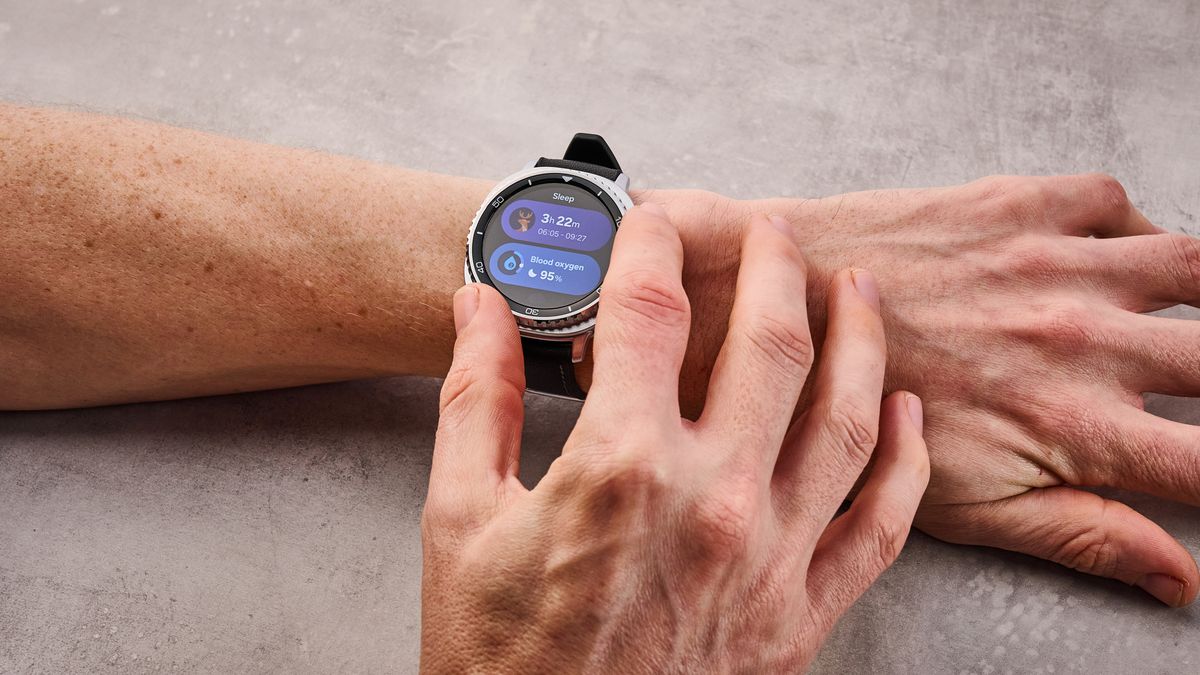
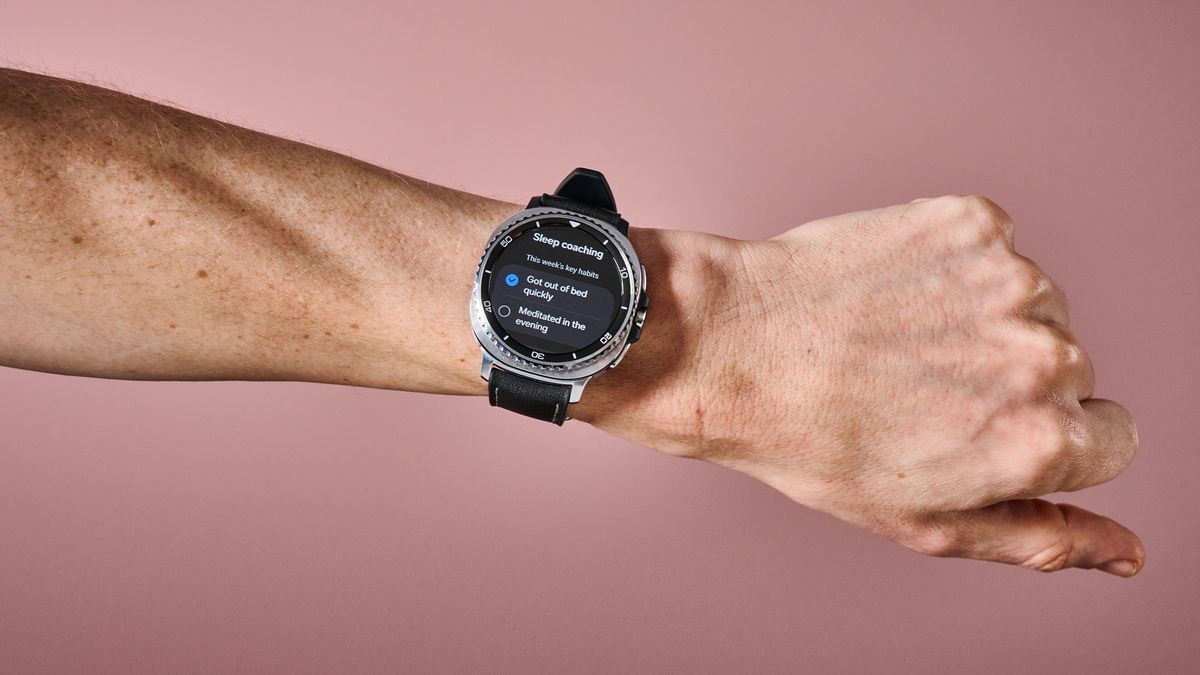
I had high hopes for the Samsung Galaxy Watch 8 Classic. While it promises to track a multitude of metrics, the data it provided frequently lacked the precision I was seeking. Sometimes, it recorded equal amounts of deep sleep and REM sleep, leading to inaccurate metrics about my nightly restfulness.
Additionally, the Watch 8 Classic made questionable assumptions about what constitutes restful sleep, often labeling my sleep experiences as “fair” to “good” despite extensive waking events throughout the night. There were instances where it mistook my productivity during the day for sleep, which is hardly reliable.
(Image credit: Future)
Conclusion
In summary, while none of the devices I tested alerted me to my sleep apnea diagnosis, each provided valuable insights. The Oura Ring Gen 3 emerged as the most reliable and insightful tracker, offering data that aligned well with my experiences.
Ultimately, if you suspect you might have sleep apnea, I urge you not to rely solely on these trackers. Consult your doctor for a professional evaluation. A sleep study is the gold standard for diagnosing disorders like sleep apnea, and it can provide clarity on your condition, allowing you to address it effectively.
For further details on this fascinating exploration into sleep tracking, check Here.
Image Credit: www.techradar.com


