


Lenovo Unveils the Legion Go 2 SteamOS Version at CES 2026
Lenovo has made headlines at CES 2026 with the announcement of a new version of its handheld gaming device, the Legion Go 2, that will run on SteamOS. Slated for a June 2026 launch, this model promises to bring a fresh perspective to portable gaming, albeit with some hefty price considerations.
The Details: Pricing and Specifications
Set to start at $1,119 (approximately £829 / AU$1,660), this SteamOS variant comes at a $100 premium compared to its Windows 11 counterpart. While details of the device had leaked prior to the formal announcement, the final reveal could confirm speculation surrounding its capabilities and market positioning.


VideoCardz first reported on Lenovo’s efforts to introduce a SteamOS model, hinting at a deliberate pivot towards enhancing the user experience in portable gaming. The new Legion Go 2 will feature robust specifications, including options for up to 32GB of LPDDR5X RAM and an AMD Ryzen Z2 or Z2 Extreme system-on-chip (SoC). This hardware aims to deliver substantial performance for a variety of gaming scenarios.
(Image credit: Lenovo)
Market Dynamics and Consumer Response
Despite the exciting specifications, Lenovo faces similar pricing challenges as with its Windows 11 models. The high price tag may deter a broad consumer base, particularly when the handheld device approaches the cost of full-fledged gaming PCs. The Legion Go 2 Z2’s starting MSRP is around $1,099 in the US, while the higher-end Z2 Extreme model reaches $1,349, nearing the price range of other high-performance handhelds like the GPD Win 5.
This means the SteamOS model potentially crosses the barrier to $1,449 when considering its extreme configurations, a threshold that may already push many potential buyers away. Furthermore, we can expect a limited audience willing to spend over a thousand dollars on what many would classify as a niche gaming device.
Analysis: The Pricing Dilemma
While it’s commendable that Lenovo is supporting SteamOS, the pricing raises concerns. For many players, multiple options available in the market offer similar performance at significantly lower prices, making the case for the Legion Go 2 a harder sell. As noted by industry experts, the differences in hardware, particularly compared to its predecessors, might not sufficiently justify the increased cost.
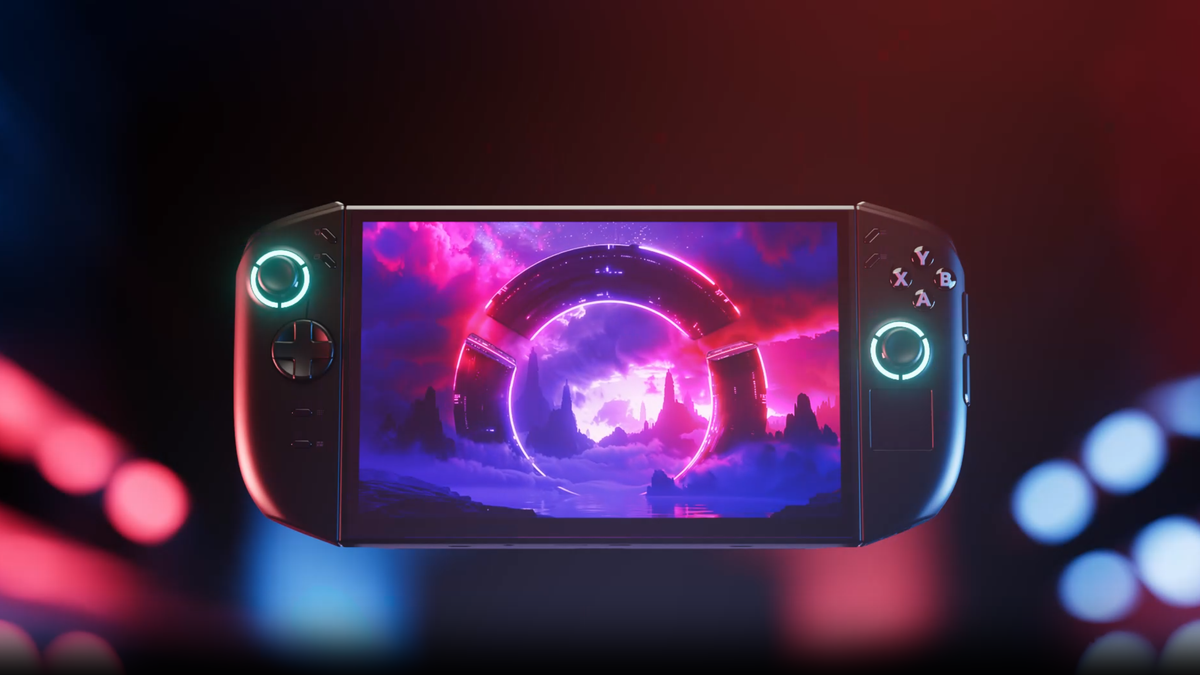
(Image credit: Lenovo)
In an environment where gamers expect value for their money, Lenovo’s handling of the pricing issue will be pivotal in determining the success of the Legion Go 2. The broader implications of such pricing structures could relegate high-profile handhelds back to the niche market they occupied before the advent of devices like Valve’s Steam Deck, which changed the perception of portable gaming.
As CES 2026 unfolds, Lenovo’s latest offering serves as a reminder of the delicate balance between innovation and pricing strategy. For the latest updates and hands-on coverage from the event, check out Here.
Image Credit: www.techradar.com


