


Handheld Gaming: A Flourishing Yet Troubling Landscape
Handheld gaming has witnessed a remarkable resurgence in recent years, propelled by the launch of Valve’s Steam Deck in 2022. This innovative device laid the groundwork for a wave of portable gaming PCs that have since emerged in various forms.
In the wake of the Steam Deck’s popularity, companies such as Lenovo, Asus, and Ayaneo have been actively releasing their own handheld options. These devices cater to a diverse range of consumers, from budget-friendly models to higher-end offerings. While some models have successfully struck a balance between affordability and performance, others have faced criticism for steep pricing.


The Volatile Market for Handheld Consoles
(Image credit: Siberian Art / Shutterstock)
However, the landscape for handheld devices is shifting rapidly, and not entirely for the better. The recent boom in artificial intelligence has led to soaring prices for RAM and storage, creating a supply crisis that is worsening daily.
A prominent example is Ayaneo, which had its Next 2 handheld gaming PC ready for pre-orders with shipments scheduled for June 2026. Those plans have now been suspended due to escalating component costs, underscoring the pervasive crisis affecting the industry.
Although Ayaneo occupies a niche in the market with its focus on advanced specifications, it is not alone. Many manufacturers are grappling with the consequences of rising production costs, largely driven by the ongoing memory chip crisis.
The Impact of AI on Handheld Gaming PCs
(Image credit: Sergey Nivens / Shutterstock / Valve)
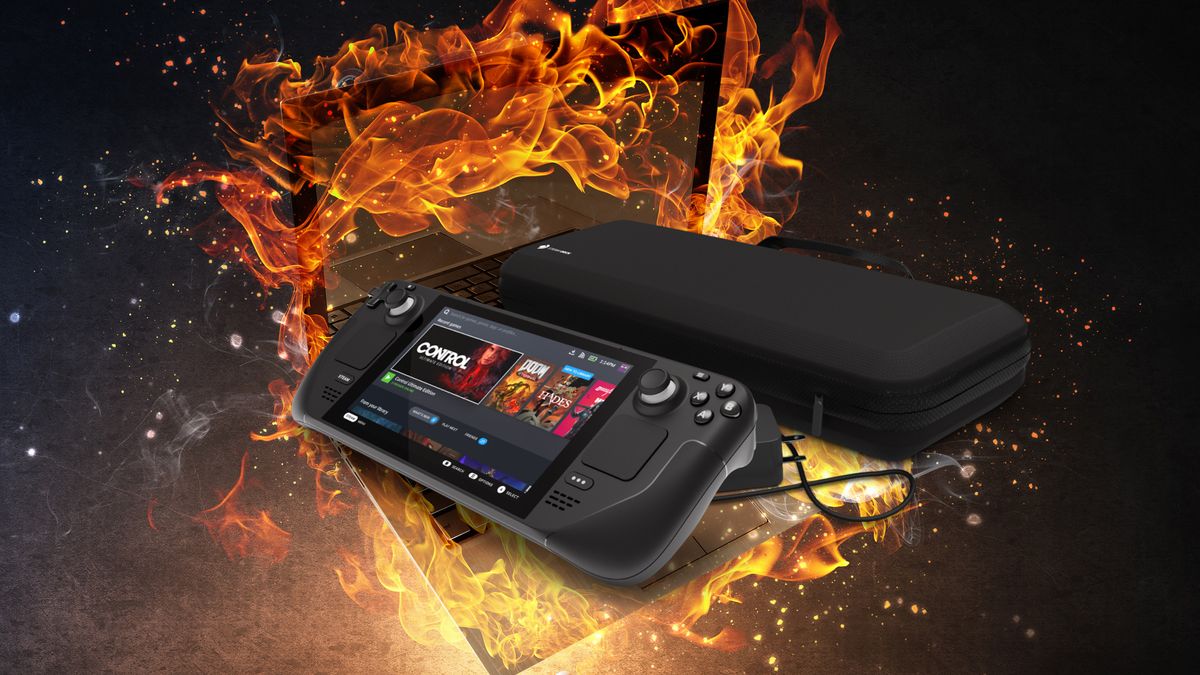
If this trend continues, handheld gaming could be relegated to a niche market once again. Manufacturers are struggling to keep pace with the increasing costs and diminishing availability of crucial components, making it difficult for consumers to justify spending what amounts to entry-level desktop gaming PC prices for portable devices.
Ayaneo’s situation reflects a broader issue, with the company acknowledging minimal profit margins on its Next 2 handheld pre-orders due to inflated production costs.
Similarly, Valve has announced that its Steam Deck OLED model will experience intermittent stock shortages, a consequence of supply chain challenges stemming from memory and storage issues.
The RAM crisis is particularly challenging for Valve, especially with the Steam Machine set to launch in 2026—also delayed due to component shortages.
Future Prospects for Handheld Gaming
(Image credit: Shutterstock / Blan-k)
The affordability crisis sparked by rising component prices poses a severe threat to the future of handheld gaming PCs. As long as AI continues to dominate memory resources, the costs associated with producing these devices are likely to escalate further.
Consumers may soon face price tags that put handheld gaming out of reach, a troubling sign considering the momentum that had developed following the Steam Deck’s success. Previously, the market was largely dominated by niche brands, and unless the industry rectifies ongoing supply issues, we may return to that era.
While hints of a potential downturn in the AI market persist, it’s uncertain how swiftly we could see a return to normalcy in component supply chains. Reports from industry analysts suggest it may be quite some time before we feel the effects.
In these challenging times, we can only hope that handheld gaming PC manufacturers can weather the storm and continue to innovate. The evolving landscape remains uncertain, but the desire for portable gaming experiences has not diminished.
Follow TechRadar on Google News and add us as a preferred source to get our expert news, reviews, and opinion in your feeds. Make sure to click the Follow button!
And of course, you can also follow TechRadar on YouTube and TikTok for news, reviews, unboxings in video form, and get regular updates from us on WhatsApp too.
For more insights on this topic, you can read the full article Here.
Image Credit: www.techradar.com


