


The Inside Scoop on Garmin HQ: Discovering the Heart of Quality
When people talk Garmin, it’s usually about one thing – the best running watches. Sure, that’s the primary focus for most users. You buy a Forerunner or a Fenix, sync it to the Connect app, and revel in impressive battery life, particularly when friends lament their Apple Watches dying after just one day.
Invited to Garmin’s headquarters in Olathe, Kansas, for a media tour coinciding with the surprise launch of the new Forerunner series, I was thrilled to explore beyond the usual product showcases. As a smartwatch enthusiast, it felt like a golden ticket, akin to stepping into Charlie and the Chocolate Factory.


1. Garmin Tests All Its Watches In-House to Breaking Point
The highlight of the tour was, surprisingly, the testing labs—not glamorous by any means, but essential in explaining why Garmin users often keep their devices for years. Garmin intentionally designs these labs to push their devices to failure, aiding in understanding potential weaknesses before market release.
The entire testing philosophy revolves around identifying “field failures” as early as possible, allowing for improvements during development. They prefer a prototype to break in the lab rather than a customer facing issues mid-triathlon, which makes complete sense.
A wall of labelled Garmin wearables in the test area, basically a grab-and-go reference library, so engineers can pull specific models quickly for checks, comparisons, and lab work.
(Image credit: Future: Lee Bell)
Testing chambers for cold, heat, humidity, and UV-style weathering mimic conditions devices endure during their lifespan. Additional salt fog chambers simulate corrosion, while chemical tests evaluate damage from various substances users encounter.
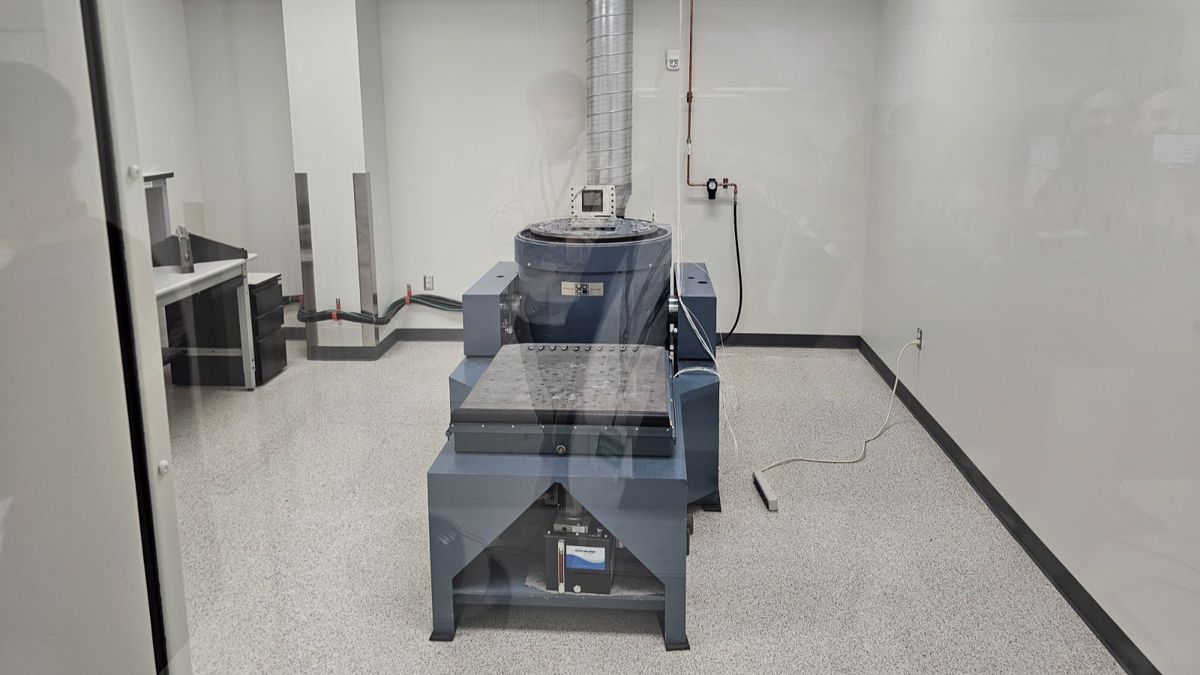
One of Garmin’s vibration “shaker” rigs, used to mimic the constant rattling and impacts devices face in the real world, so weak points show up in the lab instead of on your wrist.
(Image credit: Future: Lee Bell)
Additionally, drop testing and cyclical tests evaluate the durability of devices under repeated stress, ensuring they can endure everyday use for years. Witnessing this firsthand offered a perspective far beyond any product presentation.
2. Garmin’s Enormous Warehouse Is a Robot Motorway
While the testing lab displayed Garmin’s commitment to durability, the company’s warehouse exhibited its scalability. This facility was astonishingly vast, revealing intricate systems for efficiency in shipping, returns, and minimizing waste.

One of the main warehouse buildings on Garmin’s Olathe campus – the scale that makes you realise how serious the company is about making and distributing its kit in-house.
(Image credit: Future: Lee Bell)
The warehouse was impressively automated, featuring machines and robots that transport products swiftly, minimizing the need for staff movement. These warehouse robots follow set routes and streamline the process, enabling Garmin to handle large volumes of shipping efficiently.
Interestingly, the packaging line utilizes automated machinery to tailor fit packages, optimizing space and reducing shipping emissions. This meticulous approach underscores their commitment to sustainability in logistics.
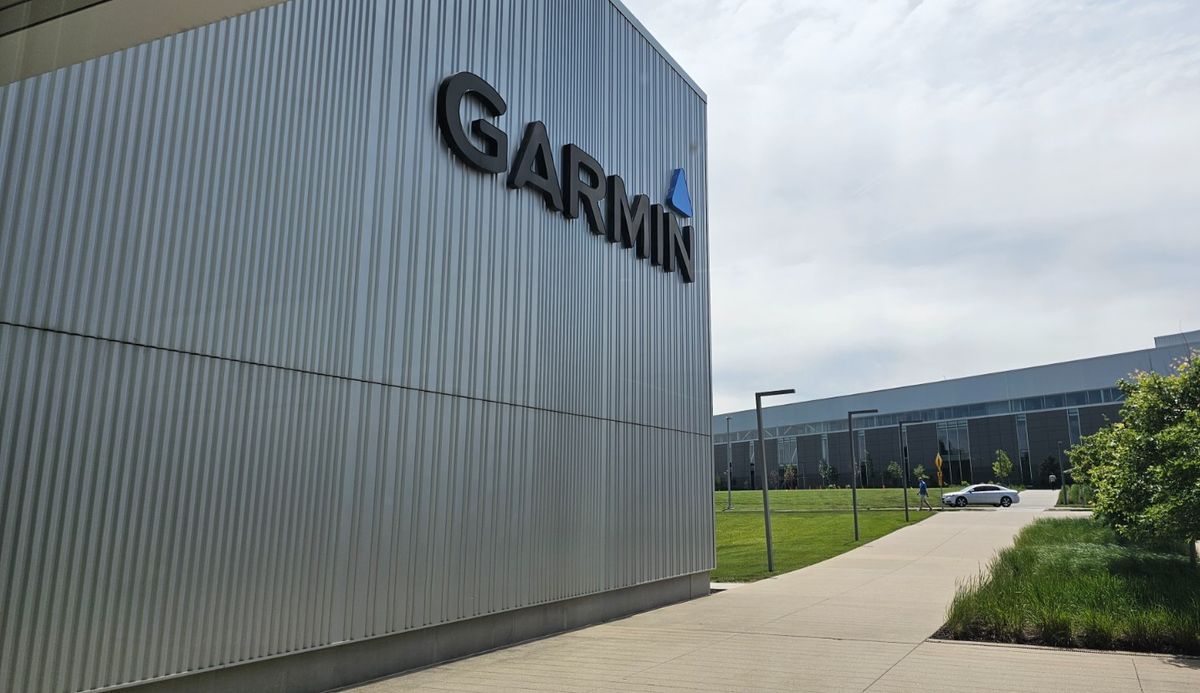
The Garmin badge on the side of the huge warehouse building – not exactly subtle. Standing here, it’s hard not to get the sense you’re at an engineering campus, not just the home of running watches.
(Image credit: Future: Lee Bell)
3. Garmin’s Aviation Roots Mean Reliability Is Its Cornerstone
One aspect I didn’t foresee was Garmin’s deep ties to aviation, which permeate its culture and product design. Throughout the tour, Garmin representatives discussed aviation technology with the same pride typically reserved for their flagship consumer products.

Garmin’s aviation side in the flesh, a proper aircraft sitting in a hangar on the same trip where we’d been talking about Forerunners. A reminder that this brand’s roots go way beyond fitness.
(Image credit: Future: Lee Bell)
This connection to aviation informs Garmin’s design philosophy, extending from big cockpit displays to GPS and communication systems, ensuring that their products prioritize reliability—a crucial element in aviation, where failure can be catastrophic.
Garmin showcased innovative flight control technology like autopilot systems and emergency protocols, which further illustrate their culture centered on safety and reliability. This commitment translates into their fitness products, providing users with dependable technology during outdoor adventures.

A flight simulator demo on campus, showing how Garmin tests and trains in the aviation world, too.
(Image credit: Future: Lee Bell)
Ultimately, my visit to Garmin’s HQ revealed a company that encompasses much more than fitness watches. They build complex navigation systems for various sectors, underlined by a rigorous engineering culture that prioritizes reliability and safety. This perspective enhances the understanding of why Garmin devices come with a premium price tag.
As you consider your next Garmin purchase, remember these three critical insights: watches endure brutal testing, logistics boast unparalleled efficiency, and the aviation heritage instills a steadfast commitment to reliability. Each of these elements contributes to the superior user experience Garmin devices deliver, making them invaluable tools for athletes and adventurers alike.
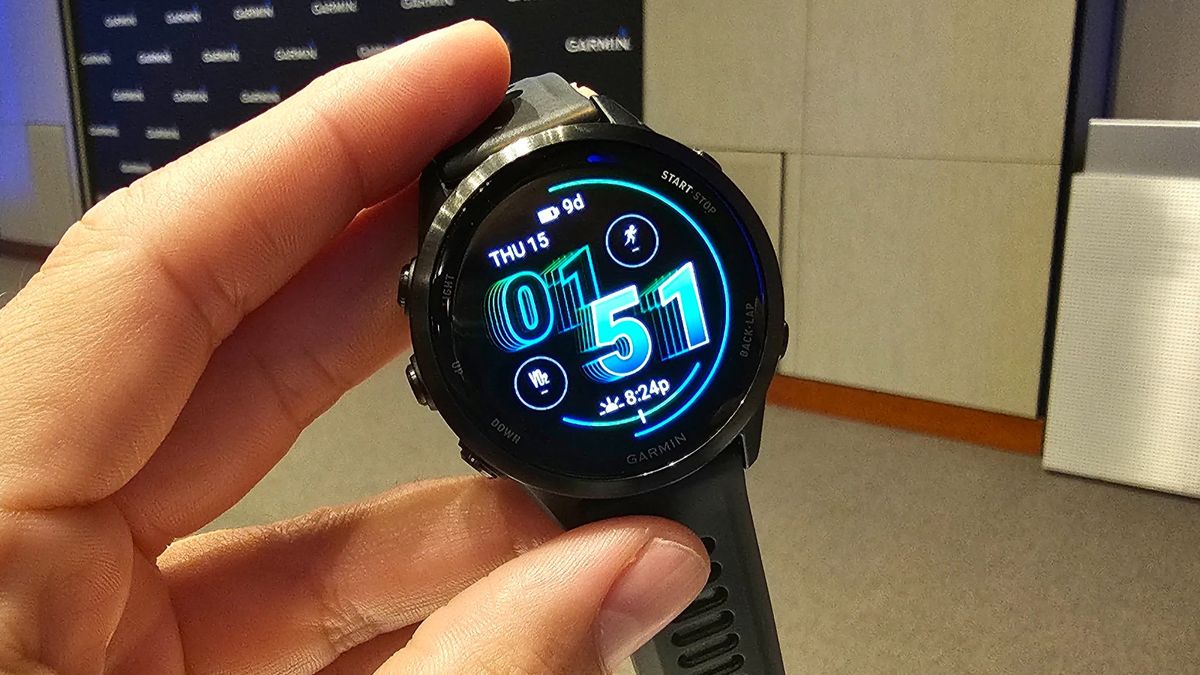
A first proper hands-on with the Forerunner 570 during the surprise launch, focusing on making Garmin’s mid-range running watch line a bit more premium.
(Image credit: Future: Lee Bell)
For an in-depth exploration of Garmin’s impressive operations, read more here.
Image Credit: www.techradar.com


