


Why the Future of Handheld Gaming PCs Might Be Modular
It’s no secret that the pricing of new handheld gaming PCs can be daunting. Devices like the MSI Claw 8 AI+ and MSI Claw A8 are priced close to $1,000, a cost exacerbated by tariffs. Although these gaming devices may offer impressive performance, many enthusiasts argue that the prices are not justified given the current market landscape.
The conversation around pricing has reignited with Framework’s latest innovation: the Nvidia RTX 5070 graphics module for the Framework Laptop 16. This module allows users to upgrade their laptop graphics with ease, and it’s worth considering how this concept could revolutionize handheld gaming PCs.


The Modular Concept
Framework’s new approach to laptops is refreshing. By providing an easy method for users to replace the existing graphics module without complex installation steps, it promotes longevity and reduces the need for frequent purchases of entirely new devices. This innovative design could easily translate into the world of handheld gaming. Imagine if handheld gaming PC manufacturers incorporated a similar modular design that allows users to upgrade their System-on-Chip (SoC). Such a feature could significantly alleviate concerns over high pricing.
(Image credit: Future)
Recent advancements in handheld gaming chip technology have not yielded sufficient performance jumps to justify exorbitant price tags. This presents an opportunity for handheld manufacturers to innovate in a way that enhances consumer value. A modular design could pave the way for users to easily upgrade their devices, saving them from the frustration of purchasing entirely new handheld systems to obtain minor performance increases.
The Financial Implications of Modular Design
Imagine spending less on a modular upgrade rather than investing in a brand-new handheld. Consumers often grapple with the prospect of hefty price tags for features they may not even need. For example, while the updated specs of newer handhelds—like a higher refresh rate screen or a larger battery—might be attractive, they may not be essential for every gamer. This is particularly relevant for gamers who primarily use their devices plugged in at home, thereby reducing the need for portability enhancements.
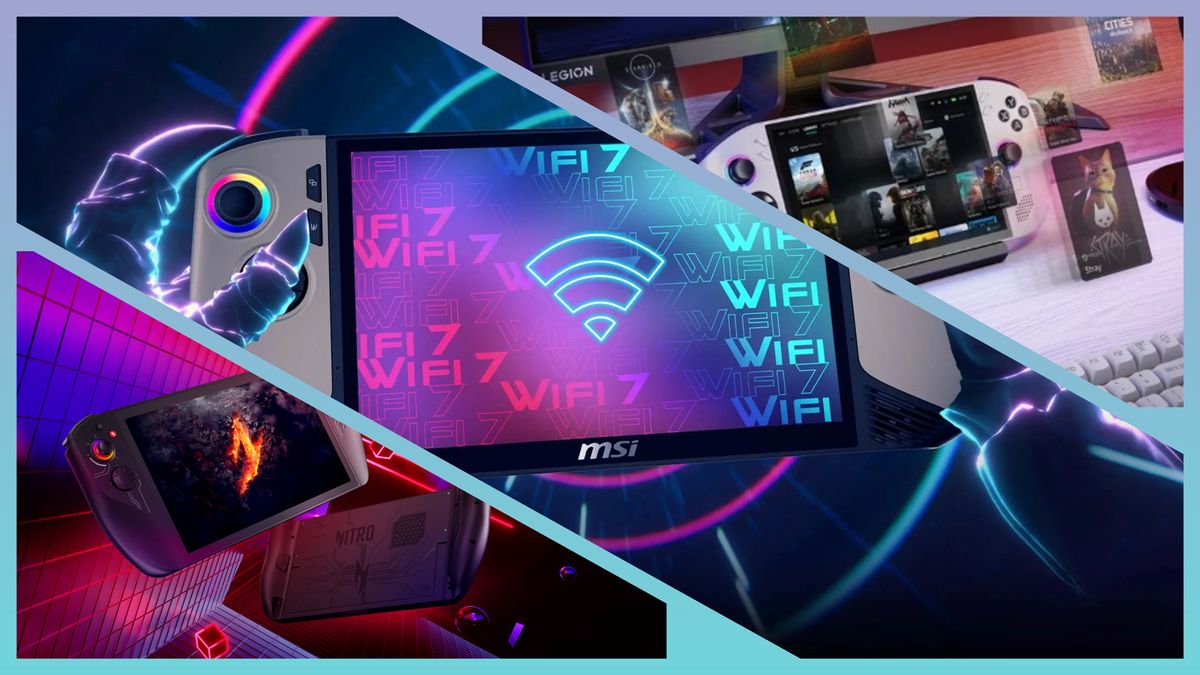
(Image credit: Acer/MSI/Lenovo)
As gaming technology continues to advance rapidly, the demand for more efficient and tailored solutions is evident. The GPD Win 5 is an encouraging example, leveraging detachable batteries that allow gamers to extend their play without interruption. A similar modular design for handheld devices could ensure users always have the latest performance capabilities without breaking the bank.
Conclusion: A Vision for the Future
While some may view the idea of modular handheld gaming PCs as impractical, the rapid evolution of technology indicates that it is a possibility worth pursuing. Creating devices that prioritize user flexibility and upgradeability will not only enhance consumer satisfaction but also build trust and loyalty in a competitive market.
For further insights on this topic, including the latest developments in gaming technologies, check out the full article Here.
Image Credit: www.techradar.com


