


AMD’s FSR Redstone Launch: A Game-Changer for PC Graphics
Today marks a significant milestone in the realm of PC gaming as AMD officially launches its FSR Redstone technology via the latest AMD Adrenalin 25.12.1 driver. This update introduces a suite of new features including FSR Frame Generation, Ray Regeneration, Radiance Caching, and enhanced upscaling technology, previously known as FSR 4. Notably, these advancements are exclusive to AMD’s RDNA 4 hardware such as the Radeon RX 9060 XT and Radeon RX 9070 XT series.
Competitor Dynamics: Team Green on Notice
Nvidia, historically the dominant player in the graphics card market, has shifted its focus towards artificial intelligence technologies. This transition raises questions about its ongoing commitment to gaming hardware, especially as AMD’s FSR Redstone emerges as a credible competitor. With FSR Redstone’s capabilities, Team Green may face increased pressure to innovate and retain its market position.


Key Features of FSR Redstone
The FSR Redstone update incorporates several cutting-edge technologies designed to enhance gaming experiences significantly. Among these, FSR Ray Regeneration stands out as a direct counterpart to Nvidia’s Ray Reconstruction. This feature leverages neural network-based technology to refine ray tracing and path tracing effects, providing more realistic visual outcomes. Initially available in Call of Duty: Black Ops 7, Ray Regeneration is poised to be integrated into additional titles in the near future.
Another remarkable aspect of the FSR Redstone update is its FSR Upscaling technology. Designed to enhance image quality, this feature aspires to bridge the gap between upscaled and native resolutions. Early comparative screenshots have indicated substantial improvements in quality when contrasted with previous iterations of the FSR technology, although specific comparisons with FSR 4 remain to be seen.
The Future of FSR Technology
Looking ahead, AMD plans to roll out FSR Radiance Caching in 2026, a feature aimed at bolstering ray tracing performance through refined lighting effects. Access to the FSR Redstone SDK on GPUOpen will facilitate easier implementation for developers, allowing for straightforward upgrades and streamlined integration into various gaming titles.
Analysis: Opportunities and Challenges
While AMD’s FSR Redstone appears to present formidable competition for Nvidia’s DLSS 4 technology, there are several concerns. A notable drawback is the lack of backwards compatibility; FSR Redstone is restricted to RDNA 4 GPUs, leaving older models potentially neglected. In contrast, Nvidia’s DLSS 4 maintains compatibility across all RTX cards, albeit not with every feature enabled.
If AMD can successfully realize and enhance FSR Redstone’s capabilities, the gaming landscape may shift. As the technology gains traction, particularly among RDNA 4 GPU owners, the focus could increasingly transition towards AMD for PC gaming solutions. Time will tell if Team Green has the means to counter this growing threat.
A perfect storm of competition is brewing in the graphics card market, and players on both sides will need to stay sharp. Here.
(Image credit: AMD)

(Image credit: AMD)
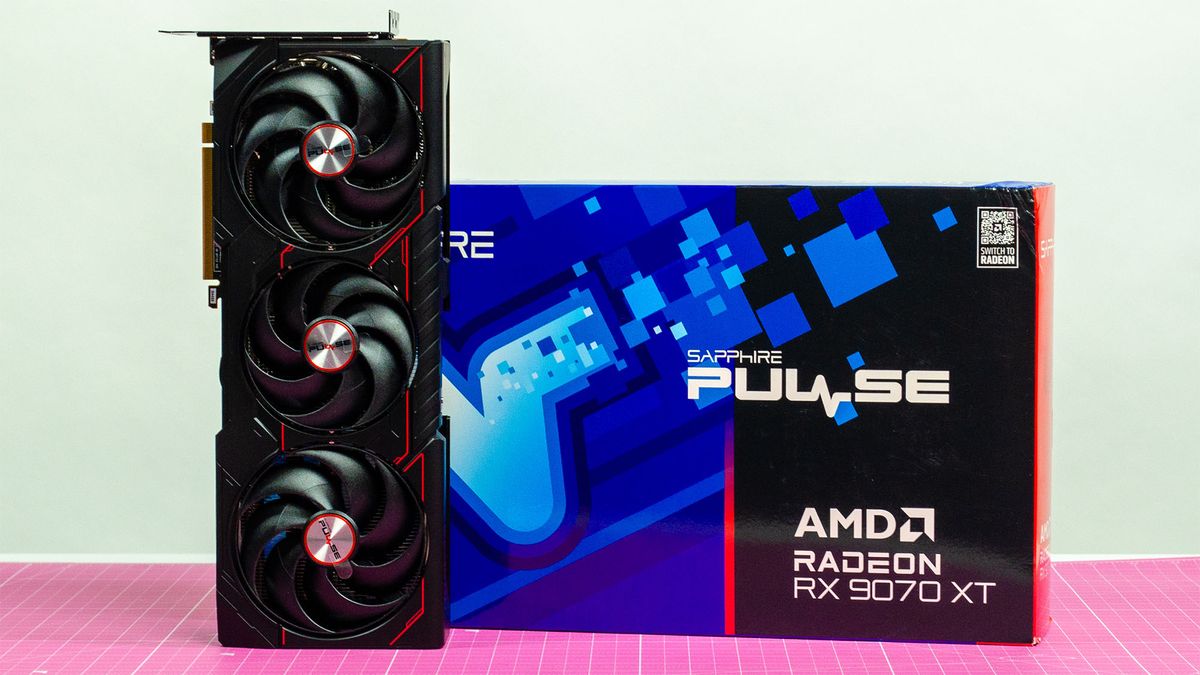
(Image credit: Future / John Loeffler)
The best graphics cards for all budgets
Despite the competitive landscape, the future of gaming graphics continues to evolve. Keeping an eye on developments from both AMD and Nvidia will be vital for gamers seeking the best performance possible.
Image Credit: www.techradar.com


