


Bone conduction earphones incite a lot of curiosity in people. How can you hear music when nothing is in your ear? The curiosity and confusion are all understandable. And this article will assist you in understanding this technology better.
For those of you who don’t know, bone-conduction earphones were primarily created for physical activities and sports with the aim of the wearer being able to listen to their surroundings while they exercise. They consist of a strap that goes around the back of your head and a pair of pads that sit outside your ears on your cheekbone right next to your tragus.


The first bone-conduction headphones were patented in 1994, but the best bone conduction headphones (and by extension, some of the best running headphones) are significantly more advanced Bluetooth-connected offerings these days.
How do bone-conduction headphones work?
(Image credit: Shokz)
So, how do they work? The short answer is they work by transmitting sound vibrations along your cheekbones instead of through your cochlea like regular earbuds do. Let’s look at the two in detail:
- Regular earbuds pass sound vibrations through the air along the eardrum. They make the eardrum vibrate which passes the information along to the cochlea.
- In contrast, bone-conduction earphones transmit sound vibrations along your cheekbone into your auditory nerves, completely bypassing your eardrum. The sound reaches your cochlea directly through the bone.
A cool fun fact: this is the same approach Beethoven used to continue making music after he lost his hearing. He would hold a conducting baton between his teeth as he played the piano, allowing sound vibrations to travel to his inner ear. Interestingly, this is also how sea mammals communicate underwater. Moreover, the very first hearing aids also employed this technology.
Do bone conduction headphones work well?

(Image credit: Shokz)
Users appreciate the feeling of their ear canals being free rather than having something pushed into them at all times. Since they rest on the top of your cheekbone and aren’t inserted into your ear, bone-conduction headphones offer a comfortable listening experience.
Another significant advantage of this type of headphone is that they allow you to stay aware of your surroundings. Since there’s nothing in your ear, you can fully hear all ambient sounds far more clearly than any regular earbud’s ambient mode would permit. This feature is particularly beneficial for outdoor use.
Bone-conduction headphones are also more hygienic than standard earbuds. With nothing touching your ear canal, there’s no transmission of germs. Most people have seen the build-up that can occur on earbuds that go inside the ear, which is effectively eliminated with bone conduction technology.
Additionally, bone-conduction headphones are ideal for those with hearing impairments. By bypassing the eardrum and utilizing vibrations, they provide a valuable solution for many in this group.
Lastly, these headphones are great for your ear health. Since they do not directly contact your eardrums, the risk of hearing damage is minimized. Many people disregard the serious impact loud music over extended periods can have until they notice changes in their hearing. As bone-conduction earbuds sit externally, they help mitigate this risk.
Should I get bone-conduction headphones?
(Image credit: Jennifer Allen)
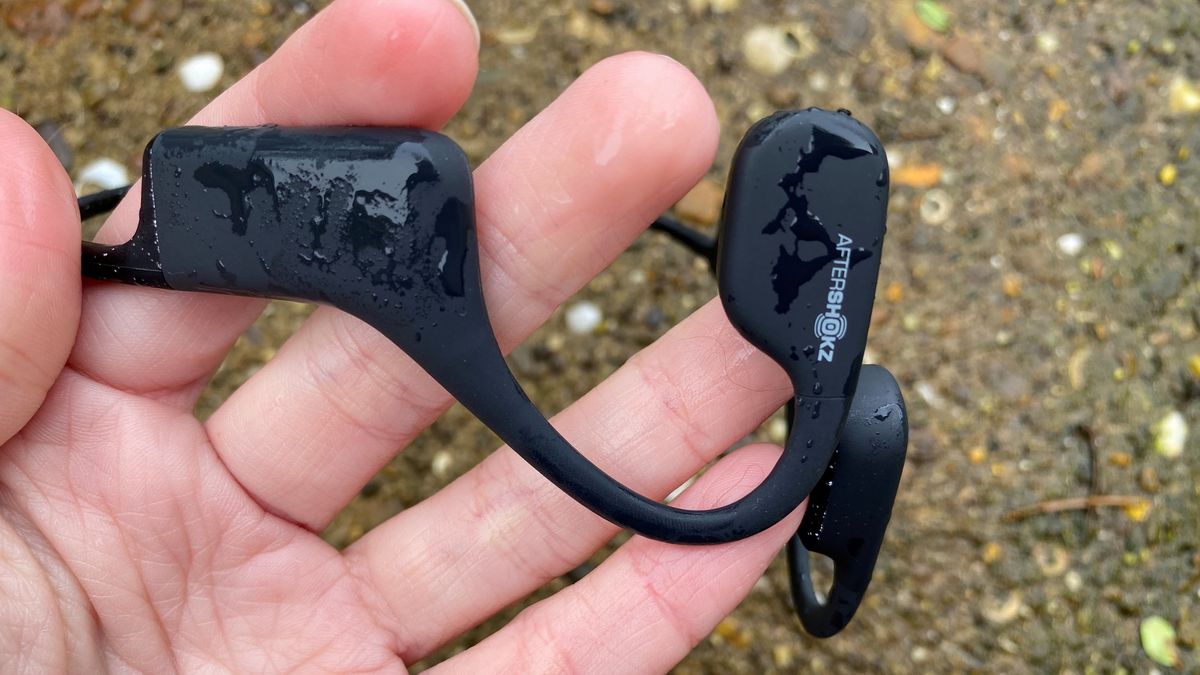
While bone-conduction earphones offer numerous advantages, they do have some downsides. To start, the audio quality may not match that of traditional earbuds. With bone conduction technology, passive noise isolation is less effective, leading to reduced sound clarity. For serious audiophiles who place high importance on sound quality, bone-conduction headphones may not meet expectations.
Moreover, if bone conduction headphones don’t fit properly, they can become uncomfortable. Imagine pads resting on your cheekbone for extended periods; discomfort can be an issue, similar to traditional earbuds. The key is to assess your priorities and needs.
Related to comfort, maintaining a stable fit can be challenging with bone-conduction headphones. Since they are not securely fitted in the ear, they might shift during physical activities, which can be distracting.
Ultimately, the decision to opt for bone-conduction headphones depends on your specific requirements. If the benefits resonate more strongly with your needs than the drawbacks, investing in a pair may be worthwhile. Even some of the best waterproof headphones utilize bone conduction technology in their design. If you’re searching for top-notch workout headphones without the bone conduction element, check out our recommendations for the best workout headphones.
For additional information on this topic, you can refer to sources like Here.
Image Credit: www.techradar.com


