


The Apple Watch Ultra 3: A Comprehensive Health and Fitness Tool
The Apple Watch Ultra 3 has emerged as a formidable contender in the realm of health and fitness monitoring. Following in the footsteps of its predecessor, the Apple Watch Ultra 2, which was heralded as the best Apple Watch to date, the Ultra 3 brings significant advancements in features and specifications, as showcased during the recent iPhone event.
The Apple Watch Ultra 3 boasts an impressive 42 hours of battery life, making it ideal for extended use. It features the largest and brightest display seen on an Apple Watch, coupled with satellite connectivity and 5G capabilities. Powered by the new watchOS 26, this device is primed for performance. Having received a test unit, I was eager to put it through its paces.


Testing Heart Rate Accuracy
The heart rate sensor is pivotal in determining the reliability of health metrics provided by smartwatches. It plays a critical role in various functionalities, from sleep tracking to assessing Training Load, calorie burn estimation, and even the new hypertension detection feature. A precise heart rate sensor, alongside a robust algorithm, significantly enhances the user experience.
For my first test, I compared the heart rate accuracy of the Apple Watch Ultra 3 against a Polar H10, widely regarded as one of the best heart rate monitor chest straps available. This setup is preferred by fitness professionals due to its exceptional precision, using electrical sensors positioned near the heart for efficient measurement.
During the test, I cycled for 20 minutes on a stationary exercise bike, wearing both the Apple Watch Ultra 3 and the Polar H10. Additionally, I wore a control device, the Huawei Watch G6, for comparative analysis.
The Results
Image 1 of 3
Polar H10 heart rate monitor(Image credit: Future)
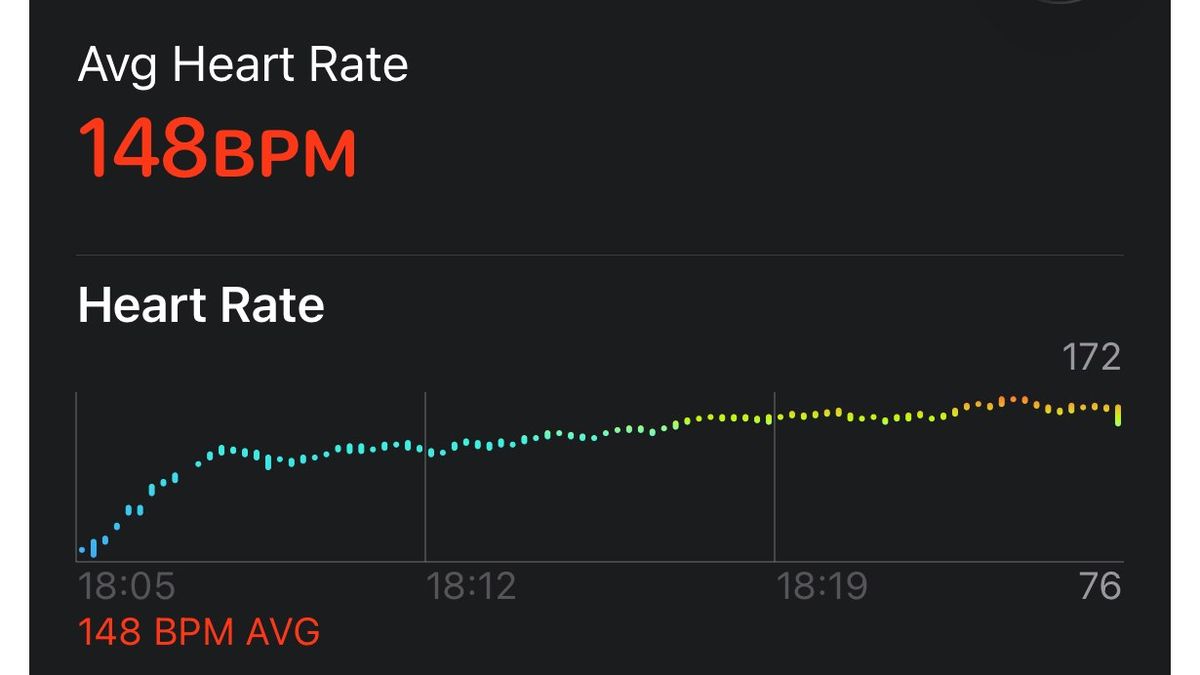
Apple Watch Ultra 3(Image credit: Future)
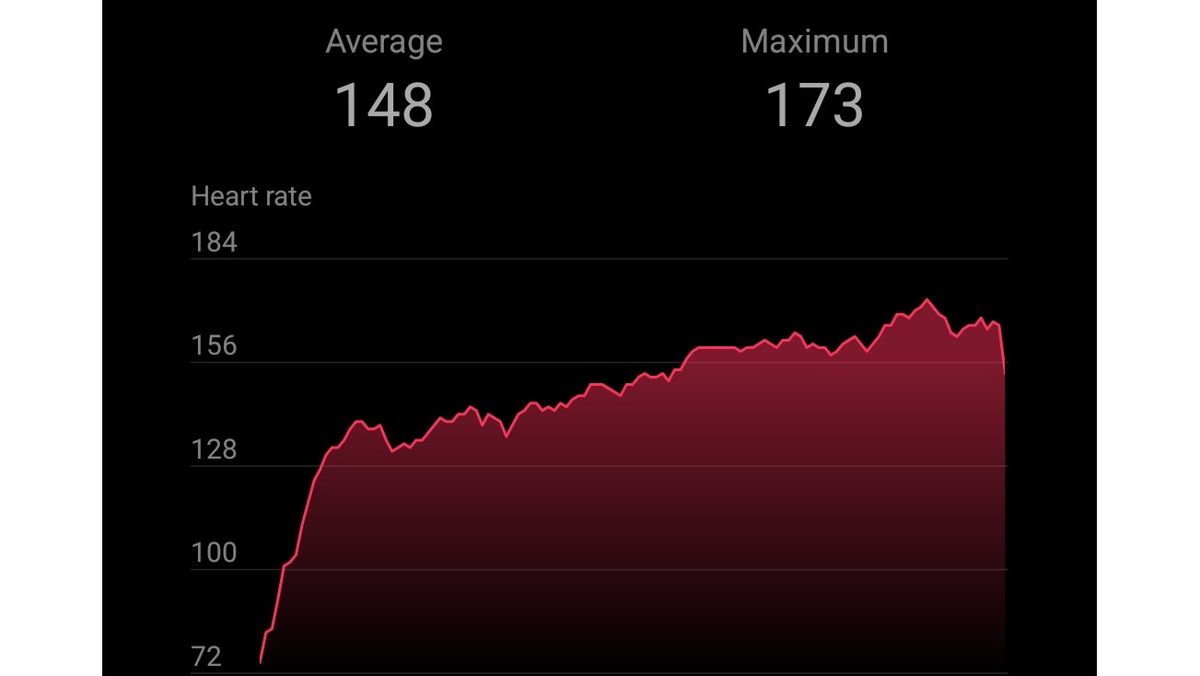
Huawei Watch GT 6(Image credit: Future)
The findings revealed that the heart rate measurements across the devices were remarkably close, with the Polar H10 reporting an average heart rate of 147 bpm during the cycling session. This showed a steady increase to Zone 5, followed by a brief dip at the end of the test.
The Apple Watch Ultra 3 and Huawei Watch GT 6 both recorded an average heart rate of 148 bpm, just 1 bpm off from the chest strap’s reading. The patterns of heart rate fluctuation were almost identical between the three devices, highlighting the reliability of Apple’s heart rate sensor against industry standards.
Given the current data, the Apple Watch Ultra 3’s heart rate monitoring capabilities are promising, especially when compared to the Polar H10. While longer workouts may present variations, the overall accuracy during my testing instills confidence in its performance.
For a deeper dive into my testing experience with the Apple Watch Ultra 3’s heart rate tracking, visit Here.
Image Credit: www.techradar.com


