


Lenovo Legion Go 2 Unveiled at IFA 2025: A Pricing Dilemma
Lenovo has finally unveiled its long-awaited handheld, the Lenovo Legion Go 2, at IFA 2025 in Berlin, having shown off a prototype at CES 2025 earlier this year.
As expected based on the prototype, the Legion Go 2 is powered by AMD’s Ryzen Z2 Extreme processor, with another model using the AMD Ryzen Z2 processor. Unlike the original Legion Go’s 2560 x 1600 display resolution, the new handheld will follow the Lenovo Legion Go S with a 1920 x 1200 resolution, potentially improving performance. It includes an OLED display and a substantial 74Wh battery, promising to enhance the gaming experience.


Sounds perfect, right? Well, unfortunately, it’s not, primarily due to its staggering starting price. The Lenovo Legion Go 2 starts at $1,099.99 for the AMD Ryzen Z2 model, which translates to roughly £800 or AU$1,680. This price point is not just for the base model; the configuration with 1TB storage and 16GB RAM is already significant, and if you wish to upgrade to 32GB on the Z2 model, you’ll need to pay $1,199.99.
(Image credit: Lenovo)
But wait, there’s more. The Ryzen Z2 Extreme model comes in at an eye-watering $1,349.99 for the 1TB version with 32GB RAM, while the 2TB model will set you back $1,479.99. These prices raise eyebrows, and many industry commentators are questioning whether Lenovo’s pricing strategy makes sense in the current market.
While some analysts may argue that tariffs influence these prices, many gamers will likely remain skeptical. Lenovo has positioned itself alongside MSI and other mainstream handheld manufacturers, who have also faced backlash for exorbitant pricing on devices like the MSI Claw 8 AI+ and the MSI Claw A8. One theme remains clear: the pricing for the Legion Go 2 feels excessively high, particularly for a handheld gaming device.
Concerns Over Market Viability
As the handheld gaming tech landscape evolves, there are growing concerns that the market may revert to a niche segment if prices continue to climb. The original price of the Lenovo Legion Go (512GB) started at $699, making its successor’s pricing all the more shocking. The increase may isolate the budget-conscious segment of gamers that the Steam Deck successfully catered to with a more approachable price point.
Handheld gaming devices have always been sensitive to price fluctuations. After experiencing the MSI Claw 8 AI+, which many consider the best handheld gaming PC, it’s evident that the current pricing model may alienate potential buyers. The performance of the AMD Ryzen Z2 model appears similar to existing options powered by the older Ryzen Z1 Extreme. This raises questions about whether such incremental updates justify the steep price hikes.
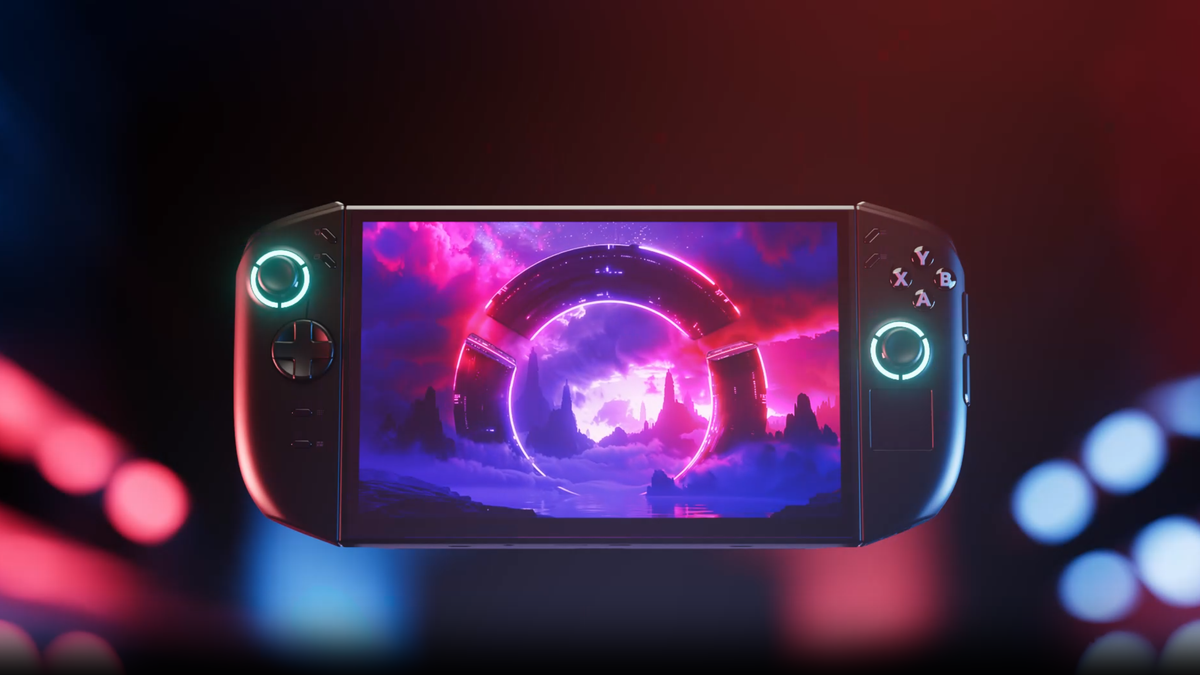
(Image credit: Lenovo)
The competitive landscape is also shifting, as the Steam Deck is often hailed as the reigning champion of handheld gaming. It has set a benchmark for pricing and performance, encouraging competitors to rethink their strategies if they want to capture the same market share.
The Steam Deck: A Case in Point
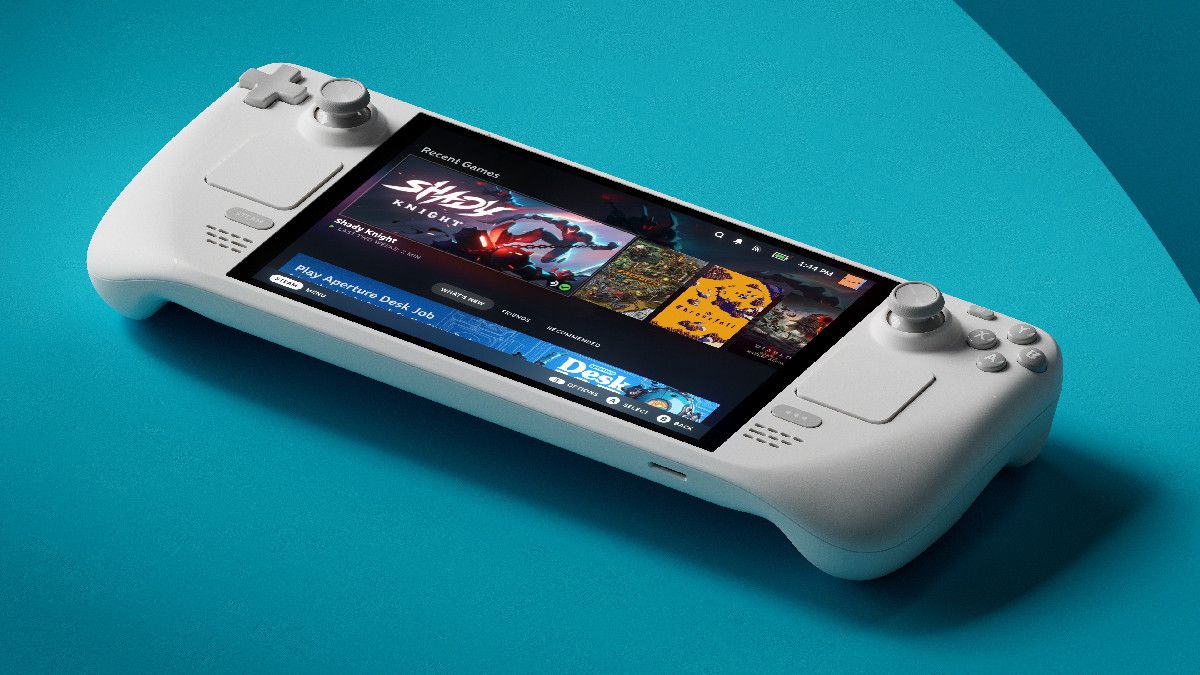
(Image credit: Valve)
Despite its performance not being the highest in the market, the Steam Deck remains a solid choice due to its affordable price tag of $649.99. Considering the reported prices of the Legion Go 2, consumers may find it hard to justify spending significantly more for incremental upgrades.
Final Thoughts
In conclusion, while the Lenovo Legion Go 2 brings technological advancements in design and functionality, its pricing may hinder its success in a competitive landscape that increasingly values affordability. Without significant justification for the cost, this handheld description may indeed restrict its appeal to a niche audience, bringing into question the viability of Lenovo’s current strategy.
For more insights into this market, check out the full article Here.
Image Credit: www.techradar.com


