


Acer Unveils RTX Spark PC at IFA 2026: A Mixed Bag for Consumers
At IFA 2026, Acer announced its upcoming Small Form Factor (SFF) PC, built on Nvidia’s new RTX Spark chip, and from what Acer (and Nvidia) has shown, I should be buzzing with excitement.
After all, it ticks a lot of boxes for me; it’s compact, beautifully designed, and thanks to the RTX Spark, it should also be very, very powerful. And yet, much like the recent announcement of the latest Mac mini with Apple’s new M6 chip, I just don’t feel excited at all.


Despite sharing the same ‘RTX’ branding as Nvidia’s gaming GPUs, it’s clear that early devices using the RTX Spark will be of little interest to consumers like you and me, and are instead aimed at people who need to run heavy-duty local AI tasks.
Latest Videos From
TechRadar
Even though Acer states that RTX Spark devices are “designed for creators, AI developers and gamers,” the brief information provided focuses solely on the AI capabilities. Acer claims that its RTX Spark device “is built to deliver up to 1 petaflop of AI performance and up to 128 GB of high-speed unified memory, delivering a combination of compute and data privacy.”
(Image credit: Acer)
Terms like “1 petaflop of AI performance” are a sure-fire way to make any interest I might have in a device evaporate faster than PC gamer’s tears on a red-hot AI data center. It certainly doesn’t make me feel like the product is aimed at me, despite the RTX branding, brief mention of gamers, and stylish design.
The Dilemma of AI Integration
I’ve written extensively in the past about my love for small form factor PCs, particularly for gaming. These compact computers often provide an excellent alternative to traditional gaming consoles, fitting seamlessly into living rooms and connecting easily to TVs. RTX Spark devices, including Acer’s, could potentially marry Nvidia’s gaming technology with compact designs, fulfilling a longstanding wish of mine. So why am I just not excited?
AI Above Everything Else
The simple reason is AI. This isn’t rooted in a general disdain for generative AI, nor is it about concerns surrounding the usage of AI-generated content; my issue lies in the fact that the RTX Spark hardware appears laser-focused on local AI capabilities—something that doesn’t appeal to mainstream users.
If these products were solely aimed at AI developers, I would be less concerned. However, it feels as if Nvidia has positioned RTX Spark as something consumers, especially gamers, ought to be interested in. I remain hopeful that as we approach the release of these devices, additional, non-AI-centric features will be revealed.
Mini Heartbreak: The New Mac Mini
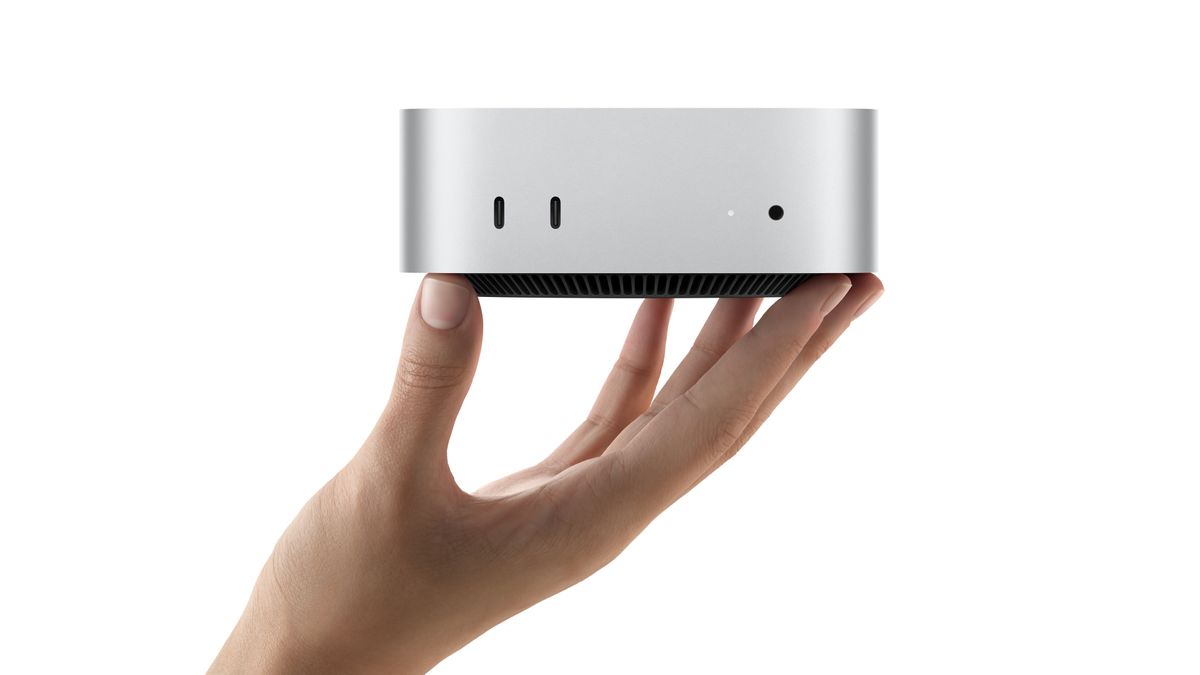
Recent iterations of the Mac mini have been some of my favorite tech products. Until recently, if anyone was looking for an affordable desktop PC, I would have confidently recommended the Mac mini. They are powerful, well-built, and boast a compact form factor that allows them to be installed almost anywhere, launching at a reasonable price of $599 / £599 / AU$999, making them a superb value.
In fact, I awarded a rare five stars to my Mac mini (M4, 2024) review. Thus, I should be elated regarding the new model, especially as it will be the first to feature Apple’s M6 chip—a noteworthy achievement for a small PC.
Yet, I feel a sense of deflation. The new Mac mini comes with a significantly higher starting price of $899 / £899 / AU$1,449, which is a considerable leap from its predecessor. This uptick makes the Mac mini a less compelling recommendation.
(Image credit: Apple)
The Mac mini has been in high demand, particularly as many consumers purchase them for running local AI tools like OpenClaw. Apple seems to have recognized this trend, focusing heavily on AI advancements in the latest M6 chip, which boasts four times the AI performance of its predecessor.
While this focus on AI is commendable, the associated price increase leaves a gap between potential users and what was once a highly recommended product. I find it difficult to suggest the new Mac mini, especially as it no longer caters to the budget-conscious consumer.
Similar sentiments apply to the RTX Spark devices. Though Acer has yet to announce pricing, their advanced specifications—such as “up to 128 GB of high-speed unified memory”—hint at a costly proposition.
Ultimately, I am left wondering who the RTX Spark PCs, akin to the revamped Mac mini, are genuinely intended for. The Mac mini once had the potential to become a popular choice, but the higher cost restricts its appeal, while I can only envision developers in need of local AI solutions showing interest in RTX Spark despite its attractive aesthetics.
I hope companies like Nvidia and Apple won’t forget consumers who may not have deep pockets and lack interest in AI, as it increasingly seems like we’re being left out of the conversation.

Follow TechRadar on Google News and add us as a preferred source to get our expert news, reviews, and opinion in your feeds.
For a comprehensive overview and more details, you can read the full article Here.
Image Credit: www.techradar.com


