


Reflecting on the Mac Pro: A 20-Year Journey
Apple unveiled the very first Mac Pro 20 years ago today, dubbing the computer “the ideal system for the most demanding user.” It was the last Mac to make the transition to Intel processors and marked a significant farewell to its PowerPC predecessor — a bold statement at that time.
Remarkably, the Mac Pro was so powerful that it doubled the performance of the Power Mac G5, which had launched just months prior. This performance leap was a testament to Apple’s commitment to pushing the envelope for professional users.


Following its initial launch, numerous iterations of the Mac Pro emerged, but the positioning remained consistent. It was seen as the go-to machine for those who prioritized power over cost. However, this very trait proved to be both a strength and a vulnerability.
A Dangerously Niche Product
(Image credit: Joseph Greve / Unsplash)
From its inception, the Mac Pro was designed for professionals in demanding fields such as film production and AI data analysis. It sought to harness the full potential of that era’s Intel chips, marking a stark divergence from previous PowerPC systems. High prices, such as the notorious $400 wheels in the 2019 model, didn’t deter its target audience; they were willing to pay for superior performance.
However, this niche market made it difficult for the Mac Pro to reach sales levels comparable to more mainstream Apple products like the MacBook Air. Apple had to weigh the risks, banking on a dedicated but smaller user base that yearned for the reliability and power of the Mac Pro.
Over time, Apple appeared to take this audience for granted. For instance, the cylindrical model released in 2013 went years without an update due to design limitations that had left it thermally constrained; the upgrade didn’t arrive until six years later.
Challenges with the Mac Studio
The launch of the Mac Studio introduced a significant problem for the Mac Pro. It delivered similar, if not superior, performance in a more compact and comparatively affordable form. This clarity in comparison meant many pro users were inclined to choose the Mac Studio over the hefty Mac Pro, priced starting at $6,999.
The shift to Apple silicon further complicated matters. The Mac Pro’s options for add-in features like the Apple Afterburner Card became unviable, reducing its advantages to mainly expansion capabilities like PCIe slots. Consequently, as the competition heated up, the Mac Pro’s value proposition diminished.
Buried in the Dark
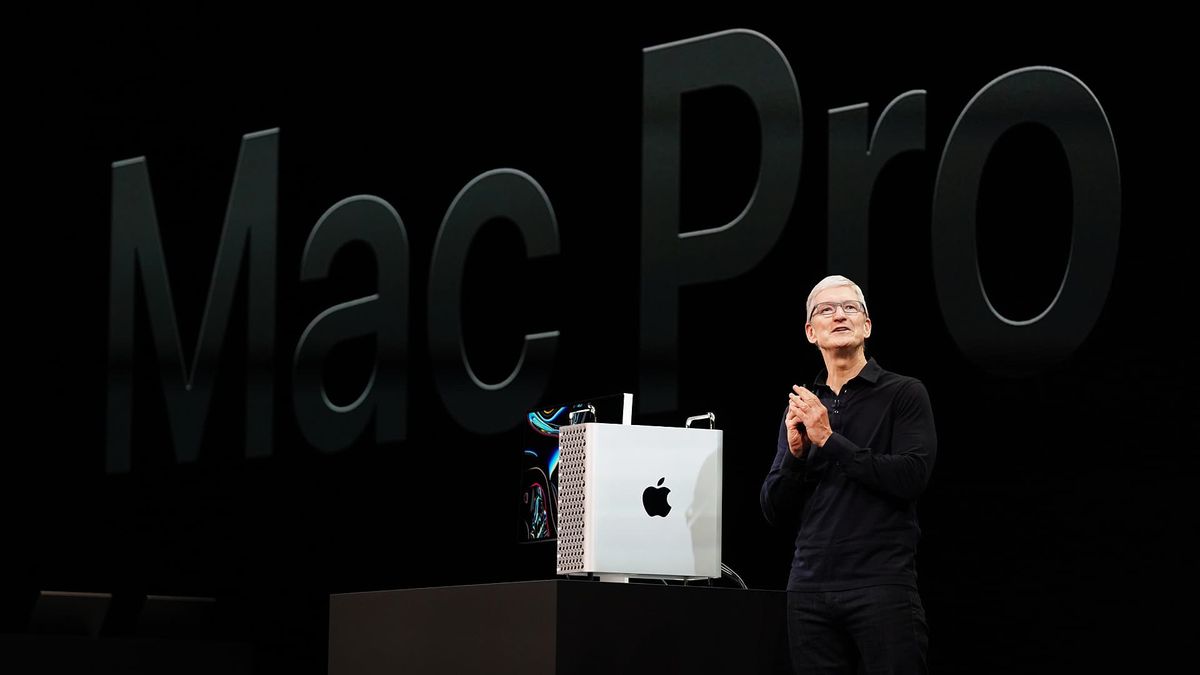
(Image credit: Apple)
On March 26, 2026, Apple made the announcement that it would officially discontinue the Mac Pro, offering no plans for future versions. This announcement coincided with a wave of price increases affecting nearly all of Apple’s hardware portfolio, particularly the Mac Studio, which saw a staggering $1,300 surge for its M3 Ultra model.
The price hikes stemmed from a wider component crisis impacting the tech industry, exacerbated by soaring demand from AI-focused data centers. Apple CEO Tim Cook described these circumstances as “unsustainable,” making the price adjustments seem unavoidable.
The steep price increases not only hinted at the struggles faced by pro users but also contextualized Apple’s decision to retire the Mac Pro. For example, if the new pricing models had applied, the starting cost of a Mac Pro could have ballooned to around $9,299 — a considerable leap from its previous figure.
When viewing the situation through this lens, it becomes evident that discontinuing the Mac Pro before its 20th anniversary was a strategic move. As the computing landscape shifted, Apple opted to avoid an impending backlash triggered by exorbitant price hikes.
In conclusion, the Mac Pro’s legacy is emblematic of the challenges and risks inherent in catering to high-performance markets. As demand narrows and costs rise, powerful tools like the Mac Pro must adapt or, in this case, be left behind.

Follow TechRadar on Google News and add us as a preferred source to get our expert news, reviews, and opinion in your feeds.
To read more about the discontinuation of the Mac Pro, you can visit the original article Here.
Image Credit: www.techradar.com


