


Are Wearables Losing Their Cool Factor?
As someone who writes about wearable technology, I’ve felt a shift in the wind. Wearables, once considered trendy and innovative, are now facing a backlash, pushing manufacturers to rethink their strategies for engaging consumers. The excitement surrounding these devices seems to be waning, leading to a growing need for brands to regain consumer trust and reintroduce a sense of enjoyment into their offerings.
One indicator of this shift is the resurgence of classic products that symbolize a rejection of Big Tech. Celebrities across various generations are opting for wired headphones and Casio watches, reflecting a nostalgia for simpler times. In local shops, it’s becoming common to see people favoring analog and digital watches over smartwatches, suggesting an interest in authenticity over functionality.


The Backlash Against Over-Optimization
Additionally, the online discourse surrounding wearables is evolving. Consider the backlash against Steven Bartlett, the host of the Diary of a CEO podcast, who faced criticism after discussing how his Whoop band revealed that a couple of glasses of wine “ruined three days of his life.” This incident sparked widespread mocking and raised questions about our obsession with biohacking and whether we are over-optimizing our lifestyles.
Consumers are increasingly prioritizing the experience of living in the moment over constantly tracking metrics. Instead of obsessing over their sleep score after a wedding, people want the freedom to enjoy life without the constraints of health tracking.
(Image credit: Meta)
The Meta Glasses Controversy
Another recent controversy is tied to Meta’s AI-powered glasses, which have been criticized for introducing a soft paywall, locking certain features behind subscription models. As questions around data ownership grow, consumers are becoming increasingly wary of companies capitalizing on their health and privacy. This sentiment is reminiscent of the recent resurgence in vinyl and cassette culture, emphasizing a desire for ownership and authenticity in a world dominated by subscription services.
Furthermore, Meta glasses have faced backlash for their potential misuse in recording private moments without consent. Being labeled as a “creep” for using them underscores a fundamental disconnect between wearable technology and societal norms. The collaboration with Kylie Jenner for their latest model may not be enough to counteract these negative perceptions.
Redefining ‘Cool’ in Wearables
In discussing what constitutes “cool,” it’s essential to reflect on how cultures and trends change over time. Author Thomas Frank, in his book *The Conquest of Cool*, discusses how counterculture can be absorbed into mainstream existence. Once an innovative product is widely adopted, it loses its allure, and its countercultural roots are often obscured.
Take the original Fitbit, which captivated early adopters with its novelty. Fast forward to today, and its derivatives have often transformed into subscription-driven models that the average consumer finds unappealing. This transition highlights a crucial aspect of wearables: their utility must coexist with a sense of fun and individuality.
The Path Forward for Wearables
While wearables will remain beneficial for health and athletic purposes, the focus should shift back to user friendship and enjoyment. To make them “cool” again, manufacturers need to reconsider their monetization practices, prioritize user privacy, and reduce reliance on subscriptions.
There should also be more room for creativity and fun in these devices. Brands might consider embracing a playful approach, like the quirky charm of retro calculator watches or creating unique applications that inspire joy and nostalgia. My personal experience with the Walk With Frodo app on my Garmin watch exemplifies this concept; it was not just functional but genuinely delightful.
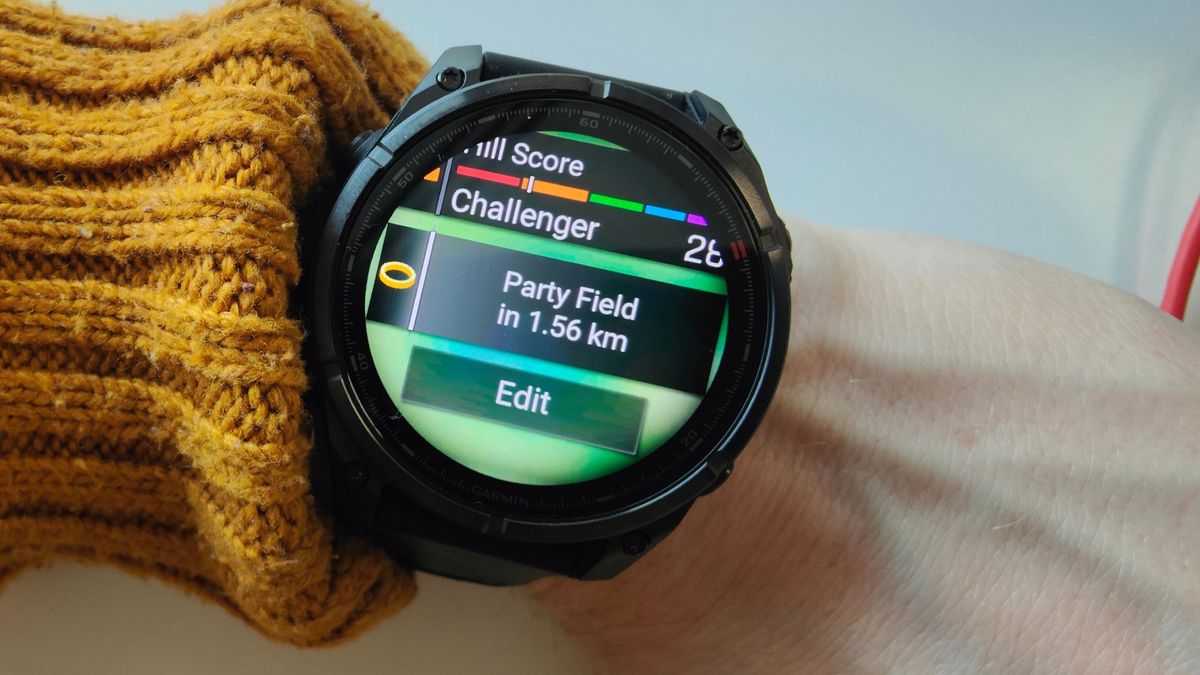
(Image credit: Future)
The forthcoming Pebble Core 2 and Time 2 smartwatches underline the rising interest in DIY solutions. By offering an open-source platform, users can create tailored applications that resonate with personal values and aesthetics. This pivot to simplicity and transparency stands in stark contrast to traditional big-tech wearables and may reinvigorate interest in the sector.
Ultimately, for wearables to escape the stigma of being “uncool,” brands must let go of anti-consumer practices, revitalize the joy of ownership, and foster creativity. By returning to a more grassroots, consumer-centric approach, we can breathe new life into the world of wearable technology.
For a more in-depth exploration on this topic, click Here.
Image Credit: www.techradar.com


