


In today’s digital landscape, even trusted names like Microsoft can find their email addresses exploited for malicious purposes. Recently, reports have surfaced indicating that the legitimate Microsoft email address—no-reply-powerbi@microsoft.com—used for Power BI notifications, is being misused to distribute scam emails. Microsoft recommends that customers add this address to their allow lists to ensure important communications are not filtered out as spam.
Understanding the Scam
The emails in question typically claim that recipients have incurred unexpected charges, such as a $399 fee, and include instructions for disputing the transaction. This particular scam was highlighted by an Ars Technica reader who received one of these deceptive emails on a Tuesday. The email provided a phone number for the recipient to call, where a man purportedly advised them to download a remote access application. This suggests an intention to take control of the recipient’s computer, allowing the scammer to access sensitive information.


The fraudulent email appeared not only credible, but it was also designed to exploit unsuspecting users’ trust in Microsoft. The content mentioned a subscription service, a feature intrinsic to Power BI, but this critical information was buried at the bottom of the message, making it easy to overlook.
How the Scam Operates
According to Sarah Sabotka, a threat researcher from Proofpoint, the scammers are taking advantage of Power BI’s functionality that allows external email addresses to be included as subscribers for report notifications. This method increases the chances that recipients will mistake the email for a legitimate communication from Microsoft, significantly raising the likelihood of falling victim to the scam.
This tactic not only undermines user trust in Microsoft but also complicates the ongoing battle against phishing schemes and identity theft. A quick search online has revealed numerous accounts of other individuals who have received similar communications, with some complaints appearing directly on Microsoft’s support channels.
Given the frequency and sophistication of such scams, it’s vital for users to remain vigilant. Always verify the authenticity of emails, especially those that request personal information or prompt action, such as downloading software. As technology evolves, the methods employed by scammers often grow increasingly sophisticated, further emphasizing the need for ongoing digital literacy and security mindfulness among users.
To stay informed about the ongoing developments in email scams and other cyber threats, you can read more here.
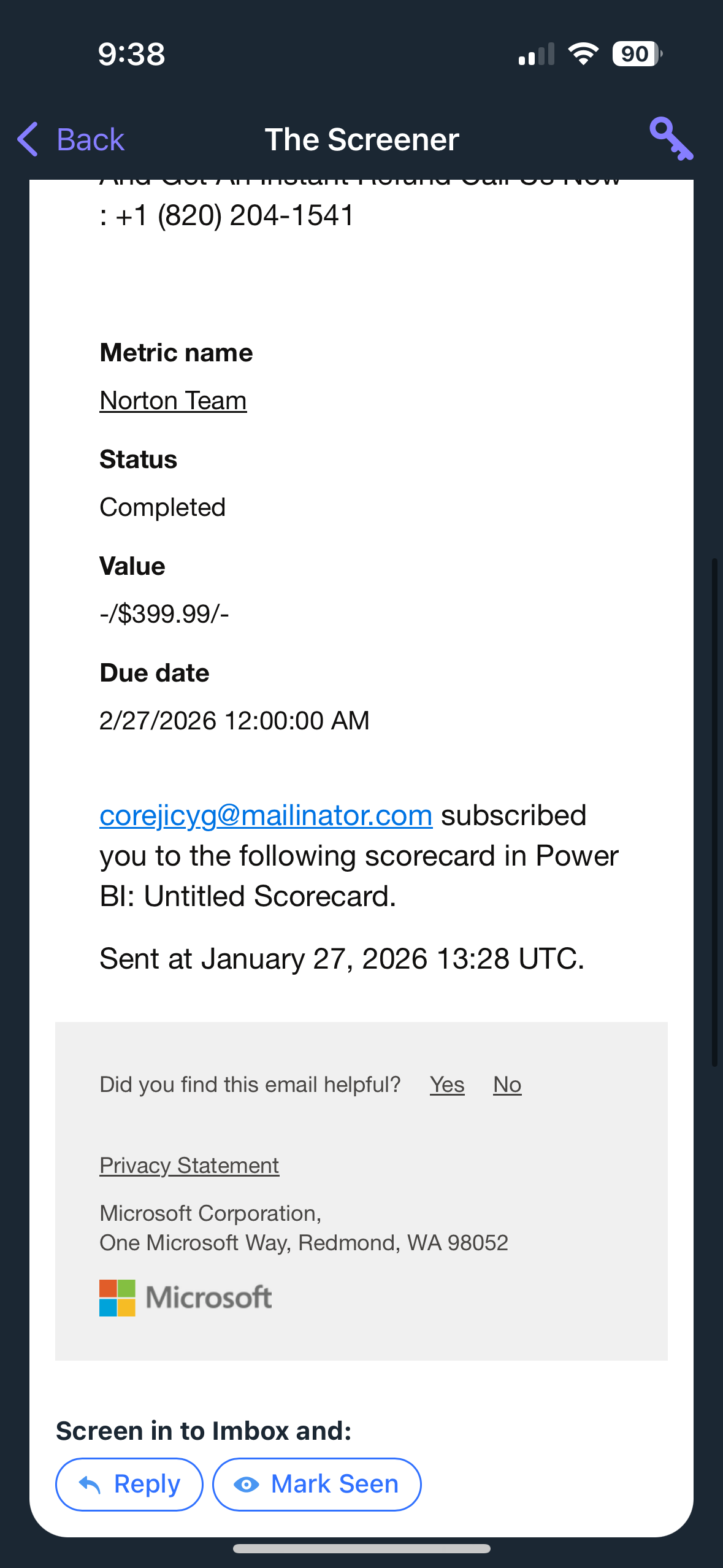
Image Credit: arstechnica.com


