


This Year in Review: Intel’s Transformations in 2025
2025 has been a pivotal year for Intel, marked by significant changes in leadership and product offerings. While some developments have been positive, others have raised concerns—yet overall, it’s clear that the company fared better than the tumultuous events of 2024, which ended with the resignation of CEO Pat Gelsinger. His successor, Lip-Bu Tan, took the reins in March 2025, and his leadership has already indicated a strategic shift for the company.
New Graphics Offerings: Arc Battlemage
This year kicked off with the launch of the Arc Battlemage B570 desktop GPU, which followed its predecessor, the Arc B580, released late in 2024. While the B570 offered decent performance, it couldn’t quite match the appeal of the B580, making it less attractive given their price differences. The latter remains a strong value option, priced under $250 in the U.S.


In an exciting development, Intel announced XeSS 3 in October 2025, a new technology aimed at enhancing frame rates. It includes Multi-Frame Generation, similar to Nvidia’s technology, and promises compatibility with older Arc GPUs. Although XeSS 3 hasn’t launched yet, its impending arrival is highly anticipated.
However, the rumored Arc B770 discrete GPU did not materialize this year, although there are whispers suggesting it is still in the pipeline.
(Image credit: Future / John Loeffler)
Strengthening Laptop Chips
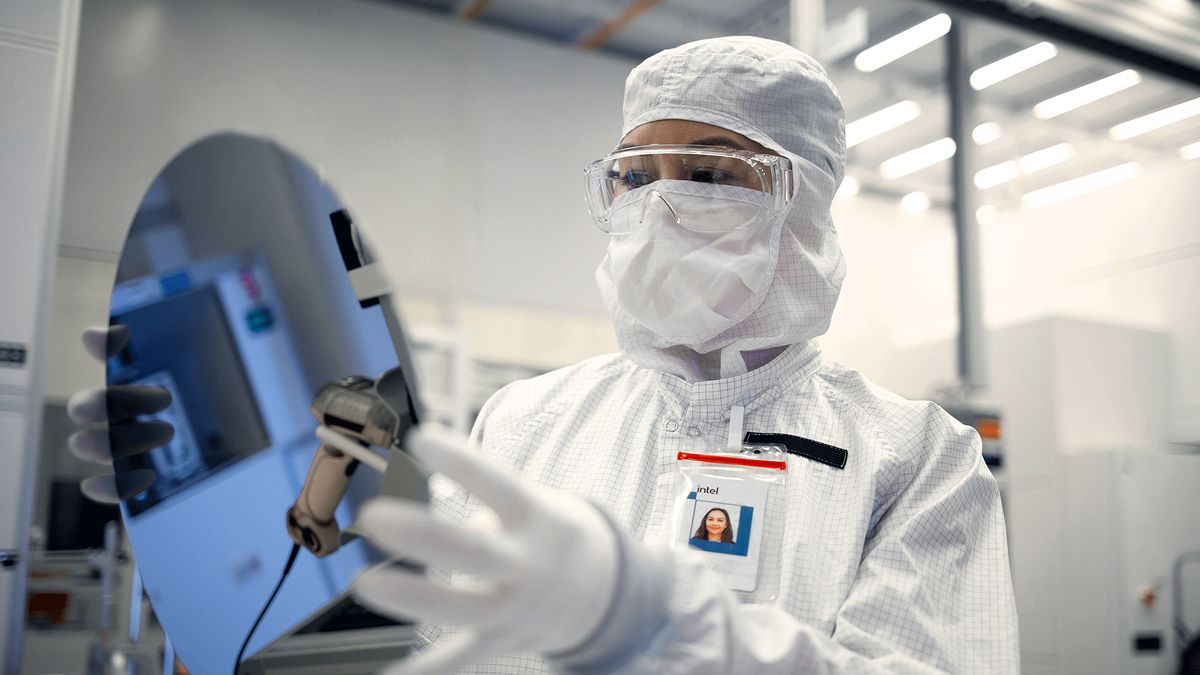
Meanwhile, Intel’s Lunar Lake laptop chips gained traction throughout 2025. Following a limited launch late in 2024, these chips showcased exceptional efficiency and performance in the mobile sector, marking a significant win for Team Blue. By the second quarter, the responsiveness to Lunar Lake was overwhelmingly positive.
The unveiling of Arrow Lake mobile processors at CES 2025 also generated excitement, aimed at delivering more powerful CPU options for laptop enthusiasts. Furthermore, Intel hinted at Panther Lake, the next generation of mobile processors designed to succeed Lunar Lake, promising impressive performance enhancements, especially with integrated graphics capabilities that aim to refine gaming experiences.
Early impressions of Panther Lake suggest it will significantly boost the appeal of thin-and-light laptops, particularly when combined with Intel’s XeSS 3 technology for optimized gaming performance.
(Image credit: Intel)
Desktop CPUs: A Mixed Bag
In the realm of desktop CPUs, Intel faced challenges with 13th-gen and 14th-gen Raptor Lake chips, which encountered stability issues last year. Although Arrow Lake processors didn’t impress gamers significantly, they did perform well in professional and everyday tasks, gaining traction toward the budget end of the spectrum.
As 2025 came to a close, CPUs like the Intel Core Ultra 5 245K offered competitively priced options for users looking for solid multi-core performance for under $200. This marks a noticeable sway in Intel’s strategic positioning as they attempt to reclaim ground in the desktop CPU market.
A planned Arrow Lake Refresh for 2026 was announced, however, expectations remain modest as many anticipate Nova Lake CPUs will ride in on the next wave of advancements.
(Image credit: mashdigi)
Job Cuts and Strategic Partnerships
Under Lip-Bu Tan’s leadership, drastic measures were taken to streamline operations, including the loss of around 22,000 jobs in April and an additional 5,000 positions in July. This reduction corresponds to a 15% decrease in overall staff, aiming to streamline management and reduce bureaucratic layers.
Simultaneously, Tan secured significant financial backing for Intel, including a multi-billion dollar deal with the U.S. government and a $2 billion agreement with Softbank. Moreover, Intel explored AI acquisitions, aiming to bolster its standing in an increasingly competitive landscape. Reports suggest that Intel even engaged in discussions with AMD about manufacturing Ryzen chips for its rival, and cut a surprising $5 billion investment deal with Nvidia for custom x86 CPUs alongside consumer chips featuring integrated Nvidia RTX GPU chiplets.
This partnership raises questions about the future of Intel’s own Arc GPU initiatives, yet it demonstrates a forward-thinking strategy to safeguard Intel’s market viability.
(Image credit: Future / John Loeffler)
Conclusion: A Year of Resilience for Intel
Overall, 2025 represents a year of regrouping for Intel, albeit accompanied by significant job losses. The strategic vision laid out by new CEO Lip-Bu Tan, in conjunction with substantial partnerships and funding, could pave the way for a more stable future.
Intel’s Lunar Lake laptops, alongside prospects for Panther Lake, showcase a firm commitment to power efficiency and performance that resonate with current market trends. However, uncertainties linger regarding their GPU ambitions, particularly with the collaboration with Nvidia on custom chips.
Nonetheless, signs of a turnaround in the desktop CPU market and competitive options emerging for budget-conscious consumers signal that Intel is on a path toward recovery. As we look forward to future developments, the roadmap for Intel appears promising, albeit with challenges still on the horizon.
For more detailed insights about Intel’s journey this year, you can read the full article Here.
Image Credit: www.techradar.com


