


Reflecting on Five Years of Apple Silicon and the MacBook Air M1
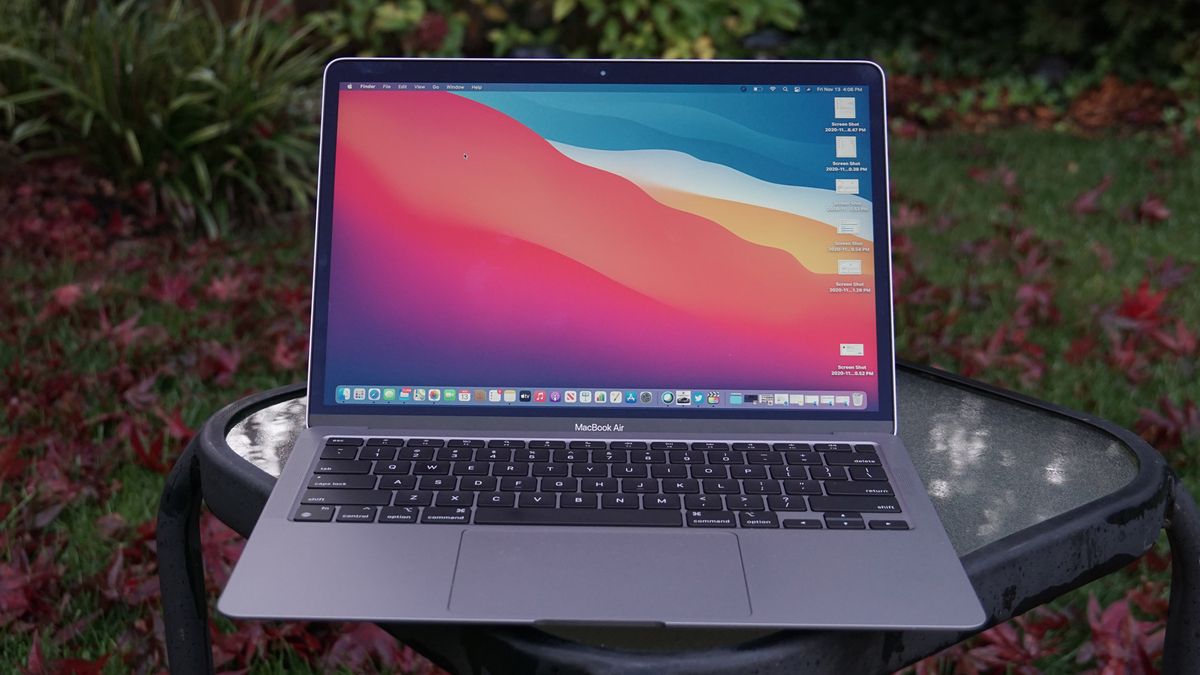
Five years ago, I unboxed and reviewed my first Apple Silicon laptop, the MacBook Air M1. That laptop and SoC would change the course of laptop history, especially MacBook history, and my own computing experience.
It all started, though, with the announcement during a virtual WWDC keynote amid a global pandemic. Even without the visceral on-stage moment from CEO Tim Cook, this reveal was momentous for the tech world.


You may like
“One world, one universe, one platform, unification. Apple’s momentous Worldwide Developer’s Conference keynote just painted a picture of a world in which the walls come down and, from the silicon underneath to the pixels in front of your face, Apple’s ecosystem becomes one.”
What Apple Silicon will bring to the Mac. #WWDC20 #WWDC2020 pic.twitter.com/oqJ4MtG8zV
Apple’s transition from Intel to its own hardware was not unprecedented; however, this time was different. Apple was thoroughly prepared, leveraging XCode to rewrite first-party apps and collaborating with major partners like Microsoft and Adobe to ensure core third-party applications could seamlessly function on the new architecture. The introduction of a Developers Transition Kit further eased the path for developers.
Rosetta 2, a software compatibility layer, promised to make the transition smoother for non-ARM-ready applications, showcasing Apple’s commitment to developer support.
Unleashing the Silicon Promise
(Image credit: Lance Ulanoff)
At that time, the benefits of a five-nanometer, power-efficient platform were clear. Apple Silicon promised to elevate MacBooks from average battery life to marathon-like endurance, boasting up to 17 hours. While I had uncertainties regarding integrated graphics, my past experiences with Apple’s A-series chips led me to remain optimistic.
I envisioned a transformation, remarking, “What Apple’s doing is switching all its systems from running on a variety of fuels, like wind, solar, and gas, to just one that might arguably be described as rocket fuel.”
You may like
Yet, despite the allure of Apple Silicon, I was hesitant to switch from Windows to macOS.
My Reluctance to Transition
Having used the original Macintosh in the 1980s, I was well-acquainted with the platform but found my loyalty firmly with Windows. It was an old friend—sometimes clunky and prone to breakdowns, yet familiar and highly customizable. I accepted its flaws, including the limited battery life and the ever-looming threat of the blue screen of death.
Just five months after the Apple Silicon announcement, developers received their transition kits, which helped in building Universal apps. The launch of the first MacBook Air with the M1 chip showcased a groundbreaking leap in performance, with benchmarks outperforming even Intel Core i7 systems, particularly in terms of graphics, and delivering extraordinary battery life ranging from 15 to 20 hours.
Despite this, the prospect of fully committing to macOS was daunting. I worried about app compatibility and Apple’s ability to execute its ambitious two-year transition plan away from Intel.
However, by 2023, the Mac Pro successfully transitioned to the M2 Ultra, and I was increasingly impressed with Apple’s evolving power in their chip designs, often clustering chips together for enhanced performance.
Making the Leap
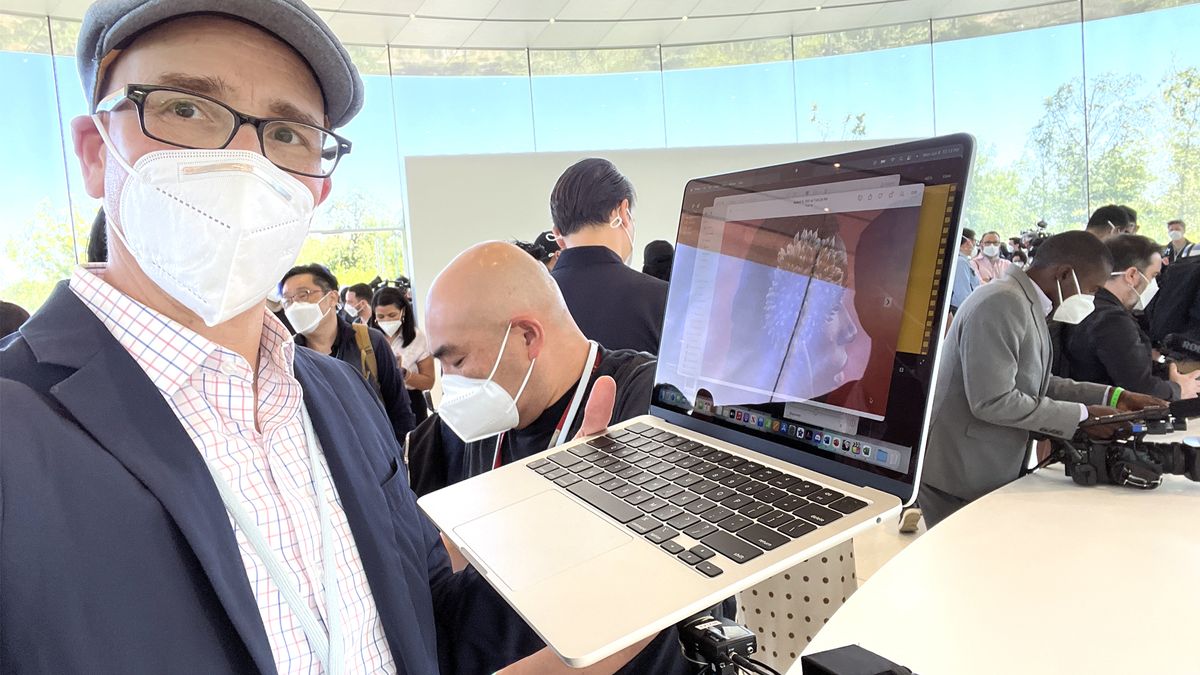
The first time I touched a MacBook Air M2, until I started using it permanently.
(Image credit: Future)
Three years into the journey of Apple Silicon, I made the switch to the M2 MacBook Air and chronicled my experiences. Adapting to the differences between macOS and Windows required a learning curve, particularly in understanding the new keyboard shortcuts.
Two weeks in, I reflected, “Becoming second nature to use the Mac. Will I ever go back?” The answer became clear—I never did.
If Apple had mishandled the promise of Apple Silicon, the story could have had a different ending. Instead, Apple demonstrated its dedication early on, unveiling not just the MacBook Air M1, but also an iMac and Mac Mini within the first six months post-announcement.
Since then, Apple has consistently advanced its innovations within the Apple Silicon ecosystem. Only recently, with assistance from Qualcomm, have alternatives in the Windows world begun to catch up in performance and efficiency.
In conclusion, Apple Silicon altered the computing landscape and transformed my experience. I transitioned from a long-time Windows user and haven’t looked back. Apple’s market share has expanded thanks to its innovative approach, and in the realm of Mac, I believe the best is yet to come.
Today’s best Apple 13″ MacBook Air M4 (2025), Apple 15″ MacBook Air M4 (2025), and Apple MacBook Pro 14-inch M5 (2025) deals can be found online.
Follow TechRadar on Google News and add us as a preferred source to get our expert news, reviews, and opinion in your feeds. Make sure to click the Follow button!
And of course, you can also follow TechRadar on TikTok for news, reviews, and unboxings in video form, with regular updates also available on WhatsApp.
You might also like
For an in-depth read about Apple Silicon and its journey, visit Here.
Image Credit: www.techradar.com


