


Are waterproof headphones the same thing as water-resistant headphones? Do you need fully waterproof headphones for sports, or are you better off getting a pair of water-resistant buds for cheaper? How can you tell which headphones are waterproof and which are water-resistant? And, as a matter of fact, what’s IP rating?
These are some of the questions we’ll try to find an answer to in this ‘waterproof headphones vs water-resistant headphones’ article. It’s good to know the difference because even though the best waterproof headphones have been immensely popular among runners, cyclists, and swimmers, they aren’t always a better choice than water-resistant running headphones.


Let’s dive in.
You may like
What’s IP rating?
The ‘IP’ in IP rating stands for ingress protection, and this number represents how effectively a product can keep foreign objects out of its casing. The IP rating consists of two digits: the first denotes solid objects, while the second refers to liquids. Often, headphones have an IP rating with an ‘X’ for the first digit, indicating the product hasn’t been rated for solids, only liquids.
The highest IP rating any product can achieve is IP68, where ‘6’ signifies that the construction is entirely dust-tight, and ‘8’ indicates that it can be completely submerged in water for a continuous period. Most waterproof headphones are rated IPX7 or IPX8, allowing you to engage in various water-based activities without worrying about damaging your earbuds.
(Image credit: TechRadar)
Are water-resistant headphones any good?
Is it worth investing in water-resistant headphones with a rating below IPX7? In most cases, yes. You likely don’t need earbuds that can be completely submerged in water. For instance, IPX4-rated headphones can handle sweaty workouts and light rain; as long as you avoid submerging them or getting them excessively wet, they should perform adequately.
Another critical aspect is sound quality. Many water-resistant headphones utilize bone-conduction technology, which transmits sound through the cheekbones rather than the traditional earbuds. This design allows for ambient noise awareness, appealing to runners and outdoor enthusiasts. For superior audio quality, decent water-resistant headphones are often sufficient.
(Image credit: Sony)
Do you need waterproof headphones?
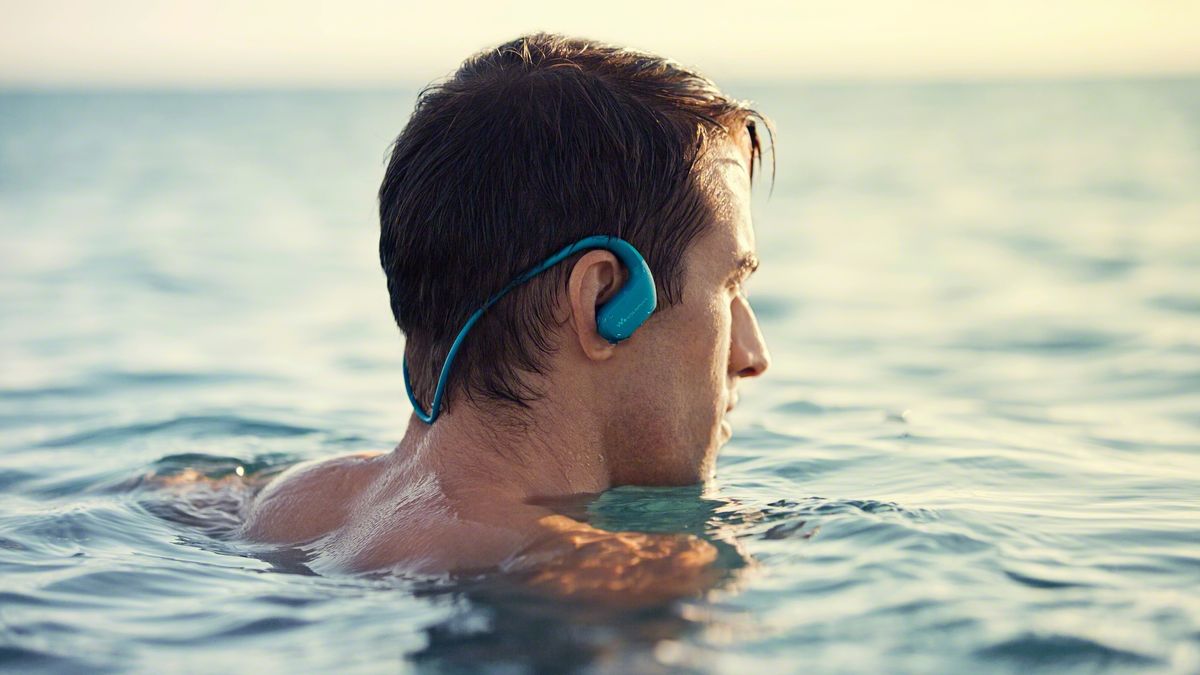
So, is there a case for acquiring fully waterproof headphones? Yes, especially for those engaged in water-centered activities. Swimmers, triathletes, and surfers, for instance, require devices that can withstand complete immersion to ensure durability and functionality during their activities.
If you’re uncertain about your headphones’ waterproof capabilities, the manufacturer’s website is the best resource for locating the IP rating. Most sports headphones typically range from IPX4 to IPX5, with some high-performance models reaching IPX8. However, it’s essential to note that the ability to repel water can decrease over time, particularly if they’ve suffered any physical impacts.
For example, dropping headphones or stepping on them might compromise their water resistance. Unfortunately, there’s no clear indicator showing when this has occurred, emphasizing the importance of taking care of your headphones.
Waterproof headphones vs water-resistant headphones: which one should you get?
Ultimately, the choice between waterproof and water-resistant headphones depends on your specific needs. If you’re hitting the gym, water-resistant headphones may not be necessary. Urban runners might prefer waterproof options that maintain situational awareness (considering sweat and traffic).
In contrast, swimmers and those who spend significant time in aquatic environments will likely benefit more from waterproof headphones. Always make sure to read through the waterproof headphones guide before making a purchase, as these devices come with specific limitations. For instance, some may only support stored music when underwater, meaning you’ll need to have a collection of MP3s ready for uninterrupted listening in the pool.
For a deeper dive into this topic, find more information Here.
Image Credit: www.techradar.com


